Key takeaways
- Anchor on medium-firm: This is the overlap zone. Anything plush enough to satisfy a dedicated side sleeper will fold the lower back of a stomach sleeper, while a true firm surface leaves shoulders aching by morning.
- Let coils carry the load: Pocketed-spring hybrids push back against the pelvis while still allowing localized give at the shoulder — a dual response that all-foam beds achieve less consistently.
- Measure the comfort layer, not the height: A 14-inch mattress with three inches of soft foam on top behaves very differently from one with a single inch. Deep plush layers are the main culprit behind stomach-sleeping back pain.
- Adjust for body weight: Lighter sleepers under roughly 130 lb compress less and often need a softer surface to get shoulder relief; heavier sleepers should step up in firmness to preserve alignment.
- Use the trial window deliberately: Give any new bed three to four weeks before judging it, and note morning stiffness patterns rather than first-night impressions. Generous return policies exist precisely because this takes time.
What's inside
Few sleeping positions place more contradictory demands on a mattress than side and stomach sleeping. Lying on your side funnels body weight into two narrow points — the shoulder and the hip — which need a surface willing to yield so the spine can rest in a straight line. Roll onto your stomach and the requirement inverts: the pelvis becomes the heaviest contact point, and any surface that lets it sink produces a hammock effect that compresses the lumbar spine for hours at a stretch. Couples frequently split along exactly this fault line, and combination sleepers relive the conflict several times a night.
The solution isn’t a bland compromise but a specific build: a firm, responsive support core that refuses to let the hips drop, topped by a comfort layer thin enough to keep the pelvis lifted yet forgiving enough to cushion the shoulder joint. This guide covers the 2026 models that hit that window, a short framework for matching one to your body, individual assessments of each pick, and answers to the questions I field most often from clients caught between these two positions.
As an Amazon Associate we earn from qualifying purchases.


🛒 Best Price Today on Amazon
Prime members get fast, free shipping on everything above, plus member-only deals. New members get a 30-day free trial — cancel anytime.
How to Choose a Mattress For Side Sleepers And Stomach Sleepers (2026)
- Anchor on medium-firm: This is the overlap zone. Anything plush enough to satisfy a dedicated side sleeper will fold the lower back of a stomach sleeper, while a true firm surface leaves shoulders aching by morning.
- Let coils carry the load: Pocketed-spring hybrids push back against the pelvis while still allowing localized give at the shoulder — a dual response that all-foam beds achieve less consistently.
- Measure the comfort layer, not the height: A 14-inch mattress with three inches of soft foam on top behaves very differently from one with a single inch. Deep plush layers are the main culprit behind stomach-sleeping back pain.
- Adjust for body weight: Lighter sleepers under roughly 130 lb compress less and often need a softer surface to get shoulder relief; heavier sleepers should step up in firmness to preserve alignment.
- Use the trial window deliberately: Give any new bed three to four weeks before judging it, and note morning stiffness patterns rather than first-night impressions. Generous return policies exist precisely because this takes time.
The Best Mattress For Side Sleepers And Stomach Sleepers (2026)s Reviewed
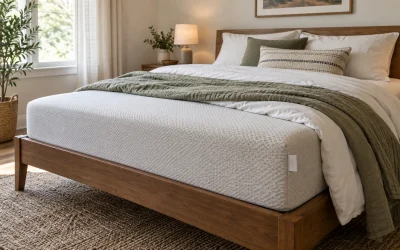
Nectar Premier 13” Memory Foam
Its medium-firm calibration is the reason this one works for mixed positions — the surface cradles the shoulder without letting the hips descend into the mattress. Best suited to sleepers who genuinely like the enveloped feel of memory foam and don’t mind slower response when changing position.
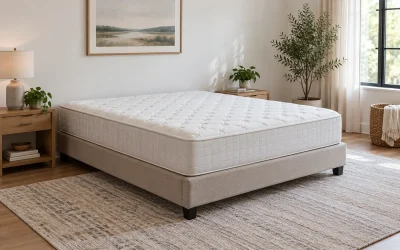
DreamCloud 12” Hybrid
The coil-and-foam construction delivers the clearest lift under the pelvis of any pick here, which is what stomach sleepers need most, while the quilted upper layer takes the edge off side-lying pressure. A dependable default for couples who sleep in different positions.
Sleepmax 14” Hybrid
Built explicitly around pressure relief for back and side sleeping, with cooling elements that address the heat retention common to thicker foam builds. The extra loft suits larger frames who tend to bottom out on standard-profile beds.
BedStory Firm 13” Hybrid
The zoned lumbar reinforcement is the standout feature — firmer support mapped to the midsection, exactly where stomach sleepers lose alignment. Choose this if stomach sleeping dominates your night and you already wake with low-back tightness.
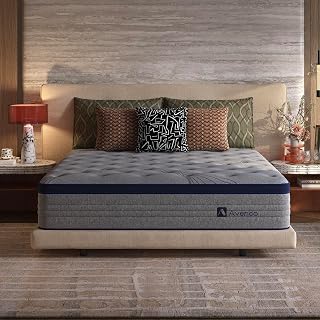
Avenco 12” Cooling Hybrid
Gel-infused foam over pocketed coils produces a balanced, temperature-neutral surface with genuinely good motion isolation for restless partners. A sensible mid-profile option for sleepers who rotate positions frequently and want quick recovery underneath them.
Frequently Asked Questions
Can one mattress really work for both positions?
Yes, provided you stay in the medium-firm range and choose a build with a firm core. The failure mode is almost always excessive softness on top, not insufficient support underneath.
Is memory foam or hybrid better for combination sleepers?
Hybrids generally have the edge because coils respond faster when you turn over. That said, a firm all-foam bed like the SLEEP100 14” can serve stomach-dominant sleepers well at a lower price point.
What pillow should I pair with it?
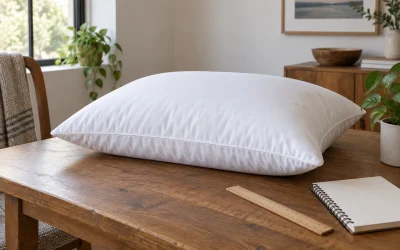
Side sleeping needs a lofty pillow to fill the gap between ear and shoulder; stomach sleeping needs almost none. If you switch positions, use a thin, compressible pillow you can fold under your head when on your side.
How long before a new mattress feels normal?
Expect two to four weeks. Your body adapts to a familiar sleep surface, and initial discomfort on a properly supportive bed often reflects that adjustment rather than a poor fit.
Final Thoughts
For most households juggling both positions, the DreamCloud 12” Hybrid is the safest all-round choice, with the Nectar Premier 13” a strong alternative for those who prefer a foam feel. If stomach sleeping is your primary position and morning back stiffness is the problem you’re solving, the BedStory Firm 13” and its zoned lumbar support deserves first consideration.