Key takeaways
What's inside
- Understanding Weight Capacities and Load Ratings
- Frame Materials: Plastic, Wire, and Solid Wood
- Slide Mechanisms: Friction, Roller, and Ball-Bearing
- Sizing, Clearance, and Vertical Space Optimization
- Common Sizing and Layout Mistakes to Avoid
- When to Upgrade to Heavy-Duty or Custom Systems
- Related Guides
- FAQ
- Related Guides
Storage drawer systems are the unsung heroes of home organization, capable of transforming chaotic spaces into streamlined functional zones. However, walking down the storage aisle or browsing online catalogs reveals an overwhelming array of configurations, materials, and price points. Selecting the right system for your space requires looking past aesthetic appeal and evaluating core mechanical specifications that dictate daily performance.
- Understanding Weight Capacities and Load Ratings
- Frame Materials: Plastic, Wire, and Solid Wood
- Slide Mechanisms: Friction, Roller, and Ball-Bearing
- Sizing, Clearance, and Vertical Space Optimization
- Common Sizing and Layout Mistakes to Avoid
- When to Upgrade to Heavy-Duty or Custom Systems
- Related Guides
- FAQ
- Related Guides
Navigating the market in 2026 means understanding that not all storage units are built to handle heavy daily wear. Whether you are outfitting a deep wardrobe closet, organizing a garage workbench, or sorting craft supplies, making an informed choice prevents sagging frames, jammed tracks, and premature replacement. This guide breaks down what actually matters so you can invest in a storage drawer system built to last.
As an Amazon Associate we earn from qualifying purchases at no extra cost to you. Product prices and availability are accurate as of the date shown and are subject to change.
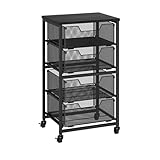
Understanding Weight Capacities and Load Ratings
The single most overlooked specification when buying a storage drawer system is the weight capacity per drawer. Manufacturers often advertise total unit capacity, which can be misleading if you load the bottom drawer with heavy items while upper drawers remain empty. Evaluate how much weight you intend to store—heavy tools, dense clothing, or bulky kitchen appliances require high-load ratings to prevent structural bowing.
Light-duty plastic bins and mesh drawers generally handle modest loads like socks, office supplies, or lightweight linens. Medium-duty systems incorporate reinforced frames suitable for folded garments and pantry goods. Heavy-duty options, typically constructed with steel or dense solid wood, are engineered to bear significant weight without warping the tracks or straining the outer housing.
Frame Materials: Plastic, Wire, and Solid Wood
The structural skeleton of your drawer system determines both its longevity and its visual integration into your home. Plastic frames offer moisture resistance, making them ideal for humid environments like bathrooms or unconditioned garages, though they can become brittle over time when exposed to direct sunlight.
Wire mesh systems provide excellent visibility and ventilation, preventing musty odors in closets and utility rooms, but smaller items can slip through or tilt if the base isn’t solid. Wood and powder-coated steel frames offer the highest rigidity and aesthetic polish, seamlessly blending into finished living areas, bedrooms, and home offices while providing unyielding structural support.
Slide Mechanisms: Friction, Roller, and Ball-Bearing
The mechanism that allows the drawer to glide in and out dictates the user experience more than any other component. Friction slides rely purely on plastic-on-plastic contact, resulting in a sticky, noisy pull that wears down quickly under regular use. Roller slides add small wheels to smooth out the motion, offering a moderate upgrade in durability and ease of access.
Ball-bearing slides represent the gold standard for storage drawer systems. They provide a smooth, silent glide and typically allow for full-extension access, meaning the entire drawer pulls out past the housing so you can see and reach items at the very back. Investing in ball-bearing hardware significantly reduces frustration and mechanical failure over years of daily use.
Sizing, Clearance, and Vertical Space Optimization
Before purchasing any storage drawer system, measure your available footprint twice and account for operational clearance. Many buyers forget to factor in the swing space or pull distance required to fully open a drawer, leading to blocked walkways or drawers that collide with nearby furniture, baseboards, or door handles.
Consider vertical optimization by assessing whether you need shallow, wide drawers for quick-access items or deep, tall drawers for bulky objects. Modular systems allow you to mix and match different drawer heights within a single frame, ensuring you utilize every vertical inch without creating dead space or messy, disorganized pile-ups.
Common Sizing and Layout Mistakes to Avoid
A frequent error is purchasing standalone drawer towers without checking whether they can be secured or stacked safely. Tall, narrow plastic towers are notoriously prone to tipping when upper drawers are pulled out fully, posing a safety hazard especially in homes with children or pets.
Another mistake is ignoring environmental constraints, such as placing untreated metal wire drawers in damp spaces where condensation can cause rust. Always match the material grade to the room’s humidity and temperature fluctuations, and utilize wall-anchoring kits whenever available to maintain absolute stability.
When to Upgrade to Heavy-Duty or Custom Systems
Standard off-the-shelf plastic or light metal drawer units work wonderfully for seasonal clothing or lightweight craft supplies, but they have a distinct breaking point. If you find yourself storing dense automotive parts, heavy canned goods, or professional tools, it is time to spend more on industrial-grade metal configurations.
Upgrading is also justified when dealing with non-standard architectural spaces where pre-sized units leave awkward gaps. Custom or modular heavy-duty systems provide exact fitment, robust weight tolerances, and commercial-grade slides that withstand decades of rigorous, heavy-handed use without degradation.
Related Guides
To further optimize your home organization projects, check out our other expert roundups. If you are updating your storage capacity, read our Best Storage Drawer Systems in 2026: Tested and Ranked. For workshop and gear organization, explore the Best Garage Slatwall Panel Systems in 2026: Tested and Ranked. Finally, for utility spaces, review our picks in the Best Premium Laundry Room Utility Sink and Cabinet Combo Systems in 2026: Tested and Ranked to complete your home upgrades.
FAQ
How do I prevent my storage drawers from sagging in the middle?
Sagging typically occurs when overloaded drawers lack center support or utilize thin bottom panels. To fix this, distribute weight evenly, avoid placing heavy items at the front or center, and choose units with reinforced bottom panels or steel cross-supports.
Are metal wire drawers better than solid plastic bins?
Neither is universally better; it depends entirely on your storage goals. Wire drawers offer superior ventilation and visibility for clothes and linens, whereas solid plastic bins protect smaller items from falling through and shield contents from dust.
How can I secure a tall storage drawer tower safely?
Tall towers should always be secured to a wall stud using anti-tip brackets or safety straps included by the manufacturer. Additionally, place your heaviest items in the bottom drawers to keep the center of gravity low and prevent tipping hazards.
What is the difference between partial and full-extension slides?
Partial-extension slides only allow the drawer to pull out about three-quarters of the way, leaving items at the back hidden and difficult to reach. Full-extension slides allow the entire drawer to clear the housing, giving you total visibility and effortless access to everything inside.