Key takeaways
- 1–2 inches: subtle comfort or cooling boost.
- 2–3 inches: meaningful softening of a firm bed.
- 3–4 inches: maximum change for very firm or aging mattresses.
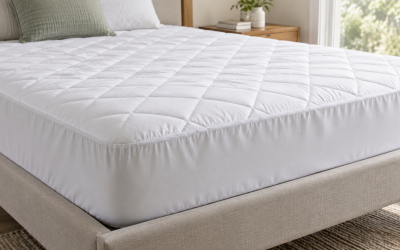
A mattress topper is the fastest, most affordable way to transform how your bed feels — for $20 to $60 it can soften a too-firm mattress, add cushioning to a worn one, or introduce cooling to a bed that sleeps hot. Ranging from 1 to 4 inches thick, a good topper buys you extra comfort and can extend the life of an aging mattress by a year or two, delaying a costly replacement.
But a topper is not a cure-all: it can enhance a structurally sound mattress, yet it cannot rescue one that is sagging or broken down. Choosing the right material, thickness, and firmness for your needs is what makes the difference between a game-changing upgrade and a wasted purchase. This guide walks you through exactly how to choose the topper that fits your bed, your body, and your budget.
Our top picks


As an Amazon Associate we earn from qualifying purchases at no extra cost to you. Ratings are shown as listed on Amazon.
⚡ Save on Your Next PC — Amazon Prime
Prime members get fast free shipping on the systems above, plus early access to Prime Day & Black Friday PC deals. New members get a 30-day free trial.
Watch: How to Choose a Mattress Topper for Added Comfort — Video Review
Match the Material to Your Goal
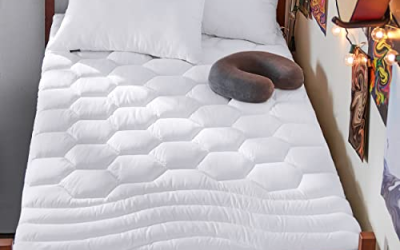
Each topper material solves a different problem. Memory foam and gel foam excel at pressure relief and contouring, ideal for side sleepers and achy joints. Cooling gel-infused foam or a cotton-top topper helps hot sleepers. Down-alternative and pillow-top styles add plush softness, while latex offers responsive, cooler support. Start by naming your main goal — softer, cooler, or more supportive — then pick the material that targets it.
Choose the Right Thickness
Thickness controls how much a topper changes your bed’s feel. A 1–2 inch topper adds a subtle layer of comfort or cooling, a 2–3 inch topper noticeably softens a firm mattress, and a 3–4 inch topper delivers the biggest change for a very firm or slightly worn bed. Heavier sleepers generally need a thicker topper to feel the benefit, since lighter sleepers compress less foam.
- 1–2 inches: subtle comfort or cooling boost.
- 2–3 inches: meaningful softening of a firm bed.
- 3–4 inches: maximum change for very firm or aging mattresses.
Get the Firmness Right
Counterintuitively, the topper’s firmness should complement your mattress, not just your preference. A soft topper on an already-soft bed can leave you unsupported, while a firmer topper can rescue a too-soft mattress by adding a supportive top layer. Side sleepers usually want a softer, thicker topper for shoulder and hip relief; back and stomach sleepers often prefer a firmer, thinner one that keeps the spine aligned.
Check the Fit and Attachment
Measure your mattress depth and buy a topper sized to match, with deep-pocket skirts or elastic straps if you want it to stay put. A topper that shifts overnight is a common frustration. Products with an anchored skirt or corner straps stay in place, and remember that adding a topper increases total bed height — you may need deeper fitted sheets to cover both.
Know When a Topper Isn’t Enough
Be honest about your mattress’s condition. A topper enhances a mattress that is still structurally sound — it can soften, cool, or cushion. It cannot fix a support core that sags more than an inch, has broken coils, or has permanent body impressions. If your bed is failing structurally, a topper only masks the problem temporarily, and the money is better put toward a replacement.
Tips
- Name your single main goal — softer, cooler, or more supportive — before shopping, and let it dictate the material.
- Buy a thicker topper if you are a heavier sleeper; lighter sleepers feel the benefit of a thinner one.
- Choose straps or a deep-pocket skirt so the topper stays anchored and does not slide during the night.
- Don’t use a topper to prop up a sagging mattress — it masks structural failure rather than fixing it.
Frequently Asked Questions
Can a mattress topper make a firm bed softer?
Yes, that is one of its best uses. A 2–4 inch memory foam or plush pillow-top topper adds a cushioning layer that noticeably softens a too-firm mattress and relieves pressure on the shoulders and hips. It is a far cheaper fix than replacing a bed that is merely too hard for your liking.
Will a topper fix my sagging mattress?
No. A topper can mask minor surface unevenness temporarily, but it cannot restore a support core that has sagged, developed body impressions, or broken down. If your mattress dips more than an inch, a topper only delays the inevitable — that money is better spent toward a new mattress.
How thick should a mattress topper be?
It depends on your goal and weight. Choose 1–2 inches for a subtle comfort or cooling boost, 2–3 inches to meaningfully soften a firm bed, and 3–4 inches for the biggest change or for heavier sleepers who compress more foam. Thicker is not always better — match the thickness to how much change you actually want.
Do mattress toppers sleep hot?
Traditional dense memory foam can retain heat, but many toppers now use gel-infused foam, cooling covers, or breathable cotton and latex to counter this. If you sleep hot, specifically choose a topper marketed for cooling — a gel or cotton-top model — rather than a plain memory foam one.
Conclusion
A mattress topper is a small investment that can dramatically improve your sleep — softening a firm bed, cooling a hot one, or adding plush comfort — when you choose it deliberately. Start with your main goal, match the material and thickness to it, get the firmness right for your sleep position, and ensure a snug fit. Just remember the one rule that saves the most money and disappointment: a topper enhances a sound mattress but cannot rescue a failing one.