Key takeaways
- Use cold water — hot water can set protein-based stains.
- Blot from the outside of the stain inward to avoid spreading it.
- Never saturate the mattress; light, repeated applications work better.
You spend roughly a third of your life on your mattress, and over a few years it accumulates sweat, dead skin, dust mites, and allergens that a set of sheets cannot stop. Cleaning your mattress properly two or three times a year not only keeps it hygienic — it genuinely extends its usable life, protecting a purchase that can run hundreds of dollars. Neglect it, and stains, odors, and allergens shorten both its comfort and its lifespan.
The good news is that a thorough mattress cleaning uses supplies you already own: a vacuum, baking soda, and mild cleaners. This guide walks you through the full routine — vacuuming, spot-treating stains, deodorizing, and protecting — plus the single accessory, a zippered protector, that keeps the whole job from being necessary as often.
Our top picks

As an Amazon Associate we earn from qualifying purchases at no extra cost to you.
⚡ Save on Your Next PC — Amazon Prime
Prime members get fast free shipping on the systems above, plus early access to Prime Day & Black Friday PC deals. New members get a 30-day free trial.
Watch: How to Clean Your Mattress to Extend Its Lifespan — Video Review
Strip and Vacuum Thoroughly
Remove all bedding and wash it in hot water to kill dust mites. Then vacuum the entire mattress surface and sides with an upholstery attachment, paying special attention to seams and crevices where skin flakes and dust mites collect. This single step removes the bulk of surface allergens and should be done every time you change out heavy bedding for the season.
Spot-Treat Stains
Treat stains promptly with the right approach for the type. Blot — never rub — fresh stains, and use an enzyme cleaner for biological stains like sweat or urine, or a mix of mild dish soap and cold water for general marks. Apply sparingly, since soaking foam can trap moisture and breed mold. Blot with a clean, damp cloth and let the area air-dry fully before making the bed.
- Use cold water — hot water can set protein-based stains.
- Blot from the outside of the stain inward to avoid spreading it.
- Never saturate the mattress; light, repeated applications work better.
Deodorize With Baking Soda
Sprinkle a generous, even layer of baking soda across the entire mattress and let it sit for at least a few hours — overnight is better. Baking soda absorbs moisture and neutralizes odors from sweat and body oils. Then vacuum it all up thoroughly. This chemical-free step leaves the mattress smelling fresh and is safe for every foam and hybrid.
Dry and Rotate
Ensure the mattress is completely dry before re-dressing it; open windows or run a fan to speed drying and prevent mold. While the bed is bare, rotate it 180 degrees — head to foot — to even out wear and prevent body impressions. Most modern one-sided beds should be rotated every 3–6 months but not flipped.
Protect Going Forward
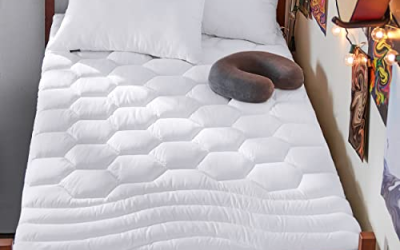
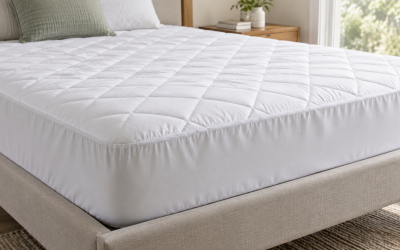
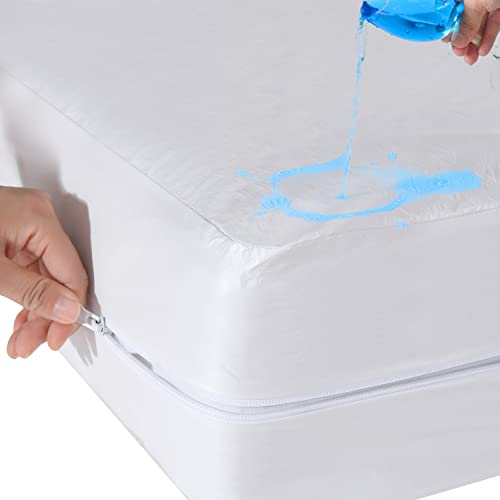
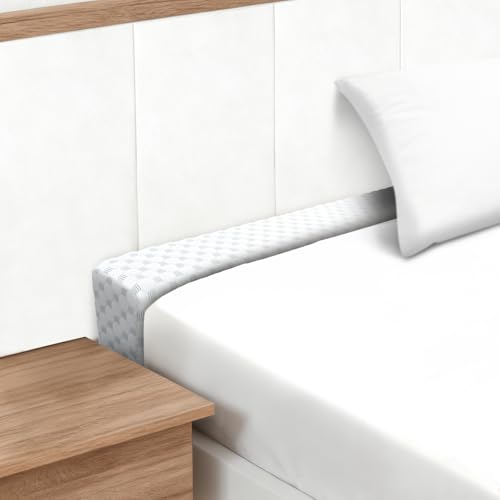
The best cleaning is the one you prevent. A zippered, waterproof mattress protector blocks sweat, spills, allergens, and dust mites from reaching the mattress, keeping it warranty-safe and dramatically reducing how often you need a deep clean. Encasement-style protectors also guard against bed bugs and are available for every depth from 6 to 13 inches.
Tips
- Wash all bedding in hot water regularly — it kills dust mites that would otherwise migrate back into a freshly cleaned mattress.
- Never soak foam when spot-cleaning; trapped moisture is the leading cause of mattress mold and odor.
- Let baking soda sit overnight for the best odor and moisture absorption before vacuuming it up.
- Use a zippered waterproof protector from day one — it prevents most stains and extends mattress life the most of any single step.
Frequently Asked Questions
How often should I clean my mattress?
Do a full deep clean — vacuum, spot-treat, and deodorize — every 3 to 6 months, and rotate the mattress at the same time. Spot-treat spills immediately as they happen. If you use a washable protector, you can clean it more often and deep-clean the mattress itself less frequently.
Can I use a steam cleaner on my mattress?
Be cautious. Light steam can sanitize the surface, but too much moisture penetrates foam and can cause mold that is nearly impossible to remove. If you steam, use minimal moisture, keep the nozzle moving, and ensure the mattress dries completely with fans or open windows before re-dressing it.
What removes urine or sweat stains from a mattress?
An enzyme-based cleaner works best on biological stains like urine and sweat because it breaks down the proteins causing the odor and mark. Blot the area, apply the enzyme cleaner sparingly, let it work, then blot with a damp cloth and air-dry. Avoid hot water, which can set protein stains.
Does cleaning really extend a mattress’s lifespan?
Yes. Regular cleaning removes the moisture, oils, allergens, and dust mites that degrade foams and breed odor over time, and rotating prevents uneven body impressions. Combined with a protector, routine cleaning can add years of comfortable use to a mattress and keep it hygienic.
Conclusion
Keeping your mattress clean is a small, twice-a-year habit that pays off in hygiene, comfort, and years of extra life. Strip and vacuum it, spot-treat stains gently with cold water and enzyme cleaner, deodorize with baking soda, dry it fully, and rotate it to even out wear. Above all, use a zippered waterproof protector from the start — it prevents most of the mess and is the single most effective way to keep your mattress fresh for the long haul.