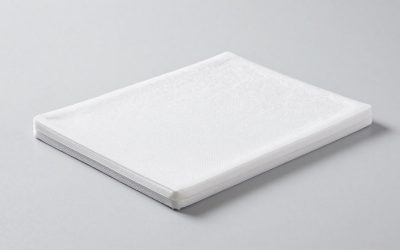
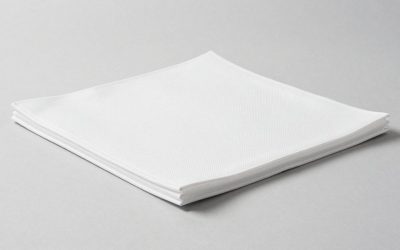
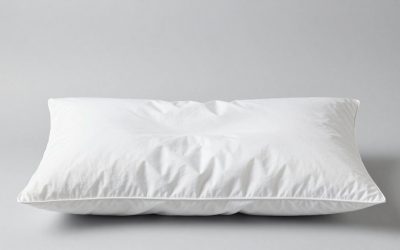
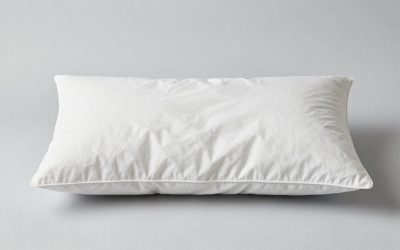
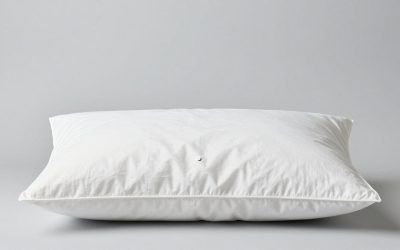
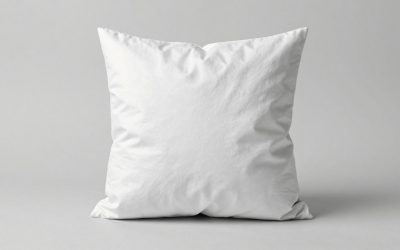
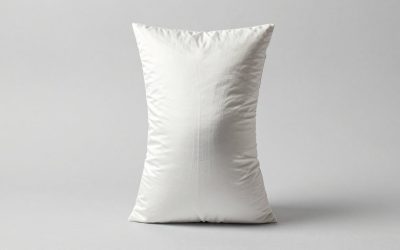
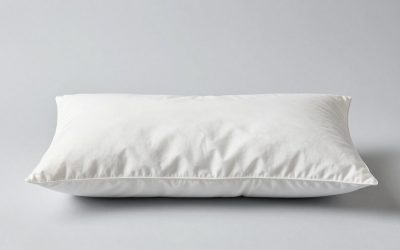
The pillowcase is the one piece of bedding that touches your face and hair for seven or eight hours a night, which is why two premium fabrics have taken over this corner of the linen closet. Mulberry silk is the protein fiber spun by silkworms, sold by weight in momme and prized for low friction against hair. Eucalyptus Tencel, the brand name for lyocell made from eucalyptus pulp, is a plant-based fiber that feels almost as smooth, sleeps cooler, and survives a regular washing machine. The buyer’s real question is not which one is “better” but which problem you are solving: frizz and breakage point toward silk, while night sweats and low-maintenance laundry point toward Tencel.
Quick Verdict
Choose mulberry silk if hair breakage, bedhead, or sleep creases on your face are your main complaint and you are willing to hand wash or use a mesh bag on a delicate cycle. A 22-momme, grade 6A case is the standard worth paying for. Choose eucalyptus Tencel if you sleep hot, sweat at night, have acne-prone skin, or simply want a smooth pillowcase you can throw in with the rest of the sheets. Tencel is the practical daily pick; silk is the specialist. Price overlaps more than you might expect: a good silk queen case runs $22-$60 each, while a pair of Tencel standard cases runs $35-$40 for the set.
Our top picks
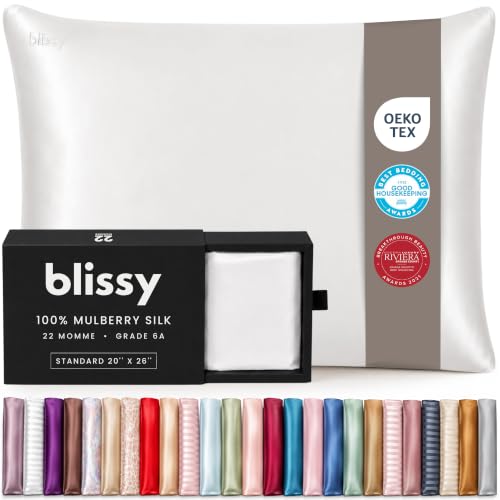 Blissy Silk Pillowcase
- Blissy Silk Pillowcases are handmade and crafted from…
- No more bedhead or tired hair! Kiss dryness…
- Why waste time and money on a pillowcase…

As an Amazon Associate we earn from qualifying purchases at no extra cost to you.
Side by Side
| Factor | Mulberry silk | Eucalyptus Tencel (lyocell) |
|---|---|---|
| Comfort | Ultra-smooth, warm-neutral; can feel warm in summer | Smooth with a cool, slightly matte hand; excellent for hot sleepers |
| Hair and skin friction | Lowest of any fabric; reduces frizz and sleep creases | Low, roughly 20-30% more drag than silk but far less than cotton |
| Moisture handling | Absorbs little; hair and skin products stay on your face | Wicks and releases moisture; dries quickly |
| Durability | 2-5 years with hand or delicate washing; snags easily | 3-6 years; tolerates regular machine cycles |
| Price range | $20-$60 per case (19-25 momme); $80+ for luxury brands | $30-$50 per pair; $60-$80 for heavyweight sateen |
| Maintenance | Cold hand wash or delicate cycle in a mesh bag, air dry, cool iron | Cold or warm machine wash, low tumble or line dry |
| Weight (standard case) | About 2-3 oz for 22 momme | About 4-5 oz |
| Space needed | Folds to a 6 x 8 inch square; store flat to avoid creases | Folds to about 7 x 9 inches; no special storage |
| Look | High sheen, liquid drape; reads as luxury | Soft matte sheen, tailored drape; reads as modern hotel |
| Best for | Curly, color-treated, or fragile hair; sleep creases; gifting | Hot sleepers, acne-prone skin, families, low-effort laundry |
Where Mulberry Silk Wins
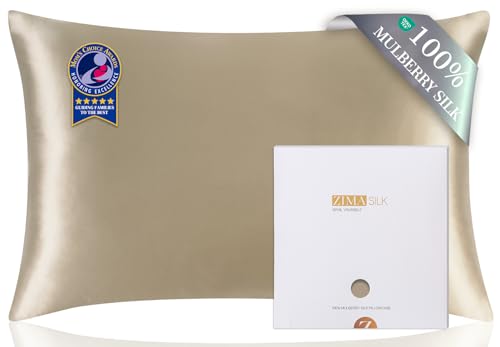
Silk wins on friction, and friction is the entire point of a hair-focused pillowcase. Silk fibers are continuous filaments with a naturally smooth surface, so hair slides instead of catching and stretching overnight. That is what reduces split ends and morning frizz, and it is why silk is the default recommendation for curly, textured, or chemically treated hair. A case like the ZIMASILK 100% pure mulberry silk queen case at $22.09 delivers that benefit at a starter price, while the Blissy 22 momme 6A standard case at $57.98 is the heavier, denser version that drapes better and lasts longer.
Silk also wins on skin creases. Because it does not absorb moisture the way cotton or even lyocell does, it leaves your night cream and your skin’s own oils where they belong rather than pulling them into the fabric. People who wake with pillow lines on their cheeks usually see the difference within a week.
Finally, silk wins on perceived value. Momme is a real, measurable weight: 19 momme means roughly 2.3 oz per square yard, and 22 momme roughly 2.7 oz, so you can compare products objectively. Silk is also the fabric people recognize as a gift, and the shimmer is unmistakable on a made bed.
Where Eucalyptus Tencel Pillowcase Comparison Wins
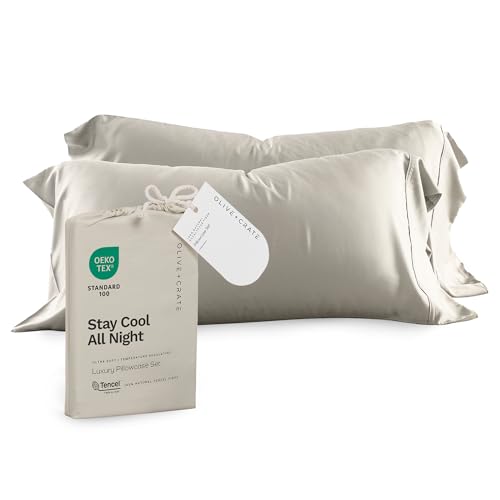
Tencel wins on temperature and moisture. Lyocell fibers have a smooth surface like silk but a porous interior that wicks sweat and releases it fast, which is why a case such as the Olive + Crate Tencel eucalyptus standard set at $34.99 or the Ethos Natura 100% eucalyptus lyocell cooling pair at $38.95 feels cool for most of the night rather than just on first contact. Silk, by comparison, warms up and holds that warmth against your face.
It also wins for skin that reacts. Because it moves moisture away and dries quickly, Tencel gives bacteria less to work with, which is why it is marketed to acne-prone and sensitive sleepers. Lyocell is inherently hypoallergenic and takes dye evenly without heavy finishing chemicals.
The decisive win is laundry. Tencel goes in the machine with your sheets, cold or warm, and comes out ready to use with minimal wrinkling. Silk demands a separate delicate cycle or hand washing, a mesh bag, air drying, and a pH-neutral detergent; skip any of those and the fabric dulls or snags. For a household washing bedding every week, that gap matters more than any fabric property. Tencel also costs less per case, roughly $17-$20 each when bought as a pair versus $22-$60 for silk of comparable quality.
Cost Over 5 Years
Assume two pillowcases on one bed, washed weekly.
| Cost item | Mulberry silk (22 momme) | Eucalyptus Tencel |
|---|---|---|
| Initial pair | $45-$120 | $35-$40 |
| Replacements in 5 years | 1 pair (silk typically lasts 2-4 years with weekly washing) | 0-1 pair |
| Silk-safe detergent | About $15-$20 per year | $0 (regular detergent) |
| Mesh laundry bags | $8-$12 once | $0 |
| Extra laundry loads (separate delicate cycle) | Roughly 50 small loads over 5 years; $10-$20 in water and energy | $0 (washed with sheets) |
| Approximate 5-year total | $165-$340 | $35-$80 |
Silk costs roughly three to four times as much to own over five years, mostly from replacements and separate washing rather than the sticker price. That is still less than a single salon treatment for damaged hair, which is how most silk buyers justify it. Tencel is the budget choice by a wide margin and remains so even if you replace it every two years.
Which One for Your Home
Small Apartment
Tencel. Small apartments usually mean shared or in-unit laundry with limited time slots, and a fabric that washes with everything else saves a cycle. It also runs cooler in apartments where you do not control the heat. If you want silk for hair, buy one silk case for your own pillow and use Tencel on the rest of the bed.
Family With Kids or Pets
Tencel throughout, with one exception. Cats and dogs snag silk within weeks, and kids’ drool and sunscreen stain it. Lyocell tolerates frequent warm washes and stain treatment. The exception is the adult with fragile or color-treated hair, who can keep a single silk case stored in a drawer between uses and washed in a mesh bag.
Rental
Either works, since pillowcases move with you, but Tencel is the lower-stress option if your building’s machines run hot or you rely on a laundromat. If you choose silk, buy a case with a hidden zipper rather than an envelope closure; it stays on the pillow in the wash bag and survives rougher handling.
Long-Term Home
Both, deliberately. In a settled home you can set up a proper delicate cycle routine, so silk becomes sustainable: keep two silk cases for the sleeping pillows and Tencel for shams and guest rooms. Buy 22 momme or heavier in 2026 and it should last through several years of weekly rotation, while Tencel handles the everyday load.
FAQ
What momme weight should a silk pillowcase be?
19 momme is the minimum for a case that will hold up to regular use; 22 momme is the sweet spot for durability and drape; 25 momme and above is heavier, more expensive, and mostly a luxury preference. Below 19 momme the fabric is thin enough to show the pillow through it and tends to shred at the seams within a year.
Is Tencel as good as silk for hair?
It is close but not equal. Tencel is dramatically smoother than cotton and reduces frizz noticeably, but silk has less drag. If hair breakage is your primary concern, silk is the better tool. If you want most of the benefit with none of the laundry hassle, Tencel is a very good compromise.
Can I machine wash a mulberry silk pillowcase?
Yes, on a cold delicate cycle inside a mesh bag, with a silk-specific or pH-neutral detergent and no bleach or fabric softener. Air dry flat or on a hanger away from direct sun; never tumble dry on heat. Expect some loss of sheen over time compared with hand washing, but a 22 momme case handles it well.
Which is cooler to sleep on?
Tencel. Both feel cool at first touch, but lyocell keeps wicking moisture and releasing heat through the night, while silk warms to body temperature and stays there. Hot sleepers and anyone dealing with night sweats will notice the difference within a few nights.