Choosing the right protein bar has never been more confusing. The market has flooded with options that promise high protein, low sugar, and clean ingredients, yet many fall apart the moment you flip the package over and read the label. Some rely on sugar alcohols that cause digestive upset, others pack fillers that add calories without substance, and a surprising number deliver less than a quarter of the protein per gram of total weight.
This roundup compares eight widely available options using published nutritional specs, current pricing, and recurring themes from owner feedback. We looked at protein-to-calorie ratios, ingredient transparency, texture complaints, and value per bar to separate genuinely health-conscious options from marketing-driven products that happen to sit in the protein bar aisle. Whether you train for performance, manage blood sugar, follow a plant-based diet, or simply need a bar that does not taste like cardboard, the picks below cover the realistic landscape of what is available.
Our top picks
 Pure Protein Chocolate Peanut Butter Protein Bars
- Protein Bars Low Sugar* High Protein
- Convenient Pantry Staple - Individually wrapped nutrition bars,…
- Chocolate Peanut Butter: A perfect harmony of creamy,…
 Quest Nutrition Ultimate Variety Pack Protein Bars
- Quest Ultimate Protein Bars Variety Pack
- ON A QUEST
- GO
 IQBAR Clean Protein Bars
- One high protein bar each of seven flavors:…
- 12G PLANT PROTEIN, 8-9G FIBER, 1-2G SUGAR: 1-2g…
- Magnesium, Lion's Mane, Vitamin E, MCTs and Flavonoids…
| Product | Key specs | |
|---|---|---|
| Pure Protein Chocolate Peanut Butter Protein Bars | Protein Bars Low Sugar* High Protein Convenient Pantry Staple - Individually wrapped nutrition bars,… Chocolate Peanut Butter: A perfect harmony of creamy,… | Check price |
| Quest Nutrition Ultimate Variety Pack Protein Bars | Quest Ultimate Protein Bars Variety Pack ON A QUEST GO | Check price |
| IQBAR Clean Protein Bars | One high protein bar each of seven flavors:… 12G PLANT PROTEIN, 8-9G FIBER, 1-2G SUGAR: 1-2g… Magnesium, Lion's Mane, Vitamin E, MCTs and Flavonoids… | Check price |
 IQBAR Clean Protein Bars IQBAR Clean Protein Bars | Calling all chocolate fans 12G PLANT PROTEIN, 7-9G FIBER, 1G SUGAR: 1g… Magnesium, Lion's Mane, Vitamin E, MCTs and Flavonoids… | Check price |
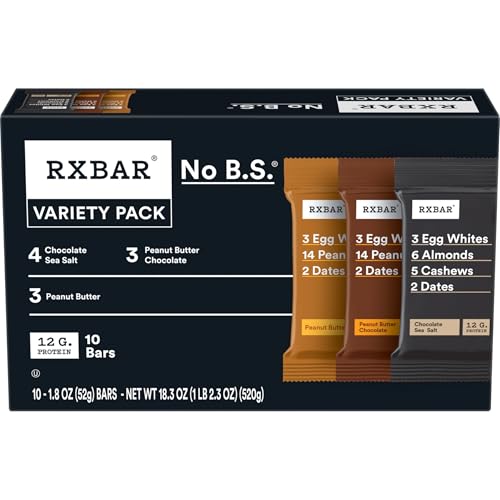 RXBAR Protein Bars RXBAR Protein Bars | Variety pack includes RXBAR Peanut Butter, Peanut Butter… Discover a snack made with delicious ingredients Gluten free | Check price |
 ALOHA Organic Plant Based Protein Bar ALOHA Organic Plant Based Protein Bar | Each box contains 12 plant-based protein bars that… 14g of plant-based protein and 10g of fiber… Seriously great tasting, USDA Organic, Non-GMO, Certified Gluten-Free,… | Check price |
 Pure Protein Chocolate Deluxe Protein Bars Pure Protein Chocolate Deluxe Protein Bars | Protein Bars Low Sugar* High Protein Convenient Pantry Staple - Individually wrapped nutrition bars,… Chocolate Deluxe: A decadent experience for the true… | Check price |
 Quest Nutrition Chocolate Chip Cookie Dough Protein Quest Nutrition Chocolate Chip Cookie Dough Protein | The Quest Chocolate Chip Cookie Dough Protein Bar… Quest Chocolate Chip Cookie Dough Protein Bars are… Each Quest Chocolate Chip Cookie Dough Protein Bar… | Check price |
As an Amazon Associate we earn from qualifying purchases at no extra cost to you.
Quick Picks
| Product | Best for | Price |
|---|---|---|
| Pure Protein Chocolate Peanut Butter | Affordable high-protein snacking | $16.97 |
| Quest Ultimate Variety Pack | Flavor variety without sugar spikes | $26.49 |
| IQBAR Sampler Variety Pack | Cognitive focus on a tight budget | $14.99 |
| IQBAR Chocolate Variety Pack | Low-sugar chocolate lovers who want volume | $24.99 |
| RXBAR 3-Flavor Variety Pack | Simple ingredient purists | $16.98 |
| ALOHA Organic Peanut Butter Chocolate Chip | Organic plant-based protein seekers | $27.13 |
| Pure Protein Chocolate Deluxe | Maximum protein per dollar | $16.97 |
| Quest Chocolate Chip Cookie Dough | Dessert texture with keto macros | $25.57 |
How We Picked
We filtered this category through four criteria: protein density (grams of protein relative to total weight and calories), ingredient quality (absence of artificial sweeteners, unnecessary fillers, and allergens that contradict the label claim), real-world palatability (texture and taste complaints that recur across owner reviews), and cost per bar at current retail pricing. A bar that scores well on one axis but fails on another was not included.
The 8 Best Healthiest Protein Bars in 2026
Pure Protein Chocolate Peanut Butter
This bar targets anyone who wants a straightforward, affordable protein hit without overthinking macros. At 20g of protein per bar across a 12-count package, it sits in the middle of this list for protein density while undercutting most competitors on price per bar.
- Pros: Generous protein for the price point; familiar chocolate-peanut-butter flavor that owners consistently call inoffensive and easy to eat.
- Cons: Texture leans dense and slightly chalky, which some reviewers describe as needing a drink to chase down.
Skip it if you are strict about avoiding artificial sweeteners or sugar alcohols, since it relies on them to hit its macros at this low price.
Quest Nutrition Ultimate Variety Pack
Best for people who rotate flavors and want a single purchase to cover a month of snacking. The variety format eliminates the risk of buying a dozen bars only to dislike one flavor profile, and Quest’s high-protein, low-carb formula has built a large following since the brand matured its recipes.
- Pros: Wide flavor range in one box; consistently low net carbs that suit carb-conscious buyers.
- Cons: The premium price per bar is the highest in this roundup, and the variety pack does not guarantee every flavor appeals.
Skip it if your budget caps you below two dollars per bar, or if you have noticed sensitivity to milk protein isolate.
IQBAR Sampler Variety Pack (7 Count)
This seven-pack is the entry point for anyone curious about IQBAR’s brain-nutrient positioning without committing to a larger box. At 14.99 dollars, it offers the lowest total spend on this list, making it practical for testing whether the flavor range and texture match your preferences before buying the bigger pack.
- Pros: Very low sugar and keto-friendly macros; the sampler format keeps initial cost low and lets you identify a favorite flavor.
- Cons: The smaller count raises cost per bar compared to the 12-count version, and some owners find the texture drier than competitors.
Skip it if you already know which flavor you want, since the 12-count offers better per-bar value for a committed buyer.
IQBAR Clean Protein Bars, Chocolate Variety Pack (12 Count)
For buyers who confirmed a preference for chocolate-forward flavors in the sampler, this 12-count delivers more bars at a lower per-unit cost while maintaining the same low-sugar, keto-compatible formula. The chocolate range tends to mask IQBAR’s occasional dryness better than fruit or nut-flavored bars do, based on recurring owner feedback.
- Pros: Better value per bar than the sampler; low sugar and plant-based protein appeal to keto and vegan eaters alike.
- Cons: Still carries a premium price per bar compared to mainstream brands, and texture remains a polarizing point among new buyers.
Skip it if you dislike a crumbly or dry bite, as that is the most common complaint across the IQBAR line regardless of flavor.
RXBAR Protein Bars 3-Flavor Variety Pack
RXBAR built its reputation on a printed ingredient list and nothing else—no proprietary blends, no hidden additives. With 12g of protein per bar and a 10-bar box, it suits people who prioritize label simplicity over hitting the highest protein number. The variety pack adds flavor diversity without requiring three separate purchases.
- Pros: Extremely clean, short ingredient list that is easy to audit; gluten-free and free of added sugar, which owners with dietary restrictions appreciate.
- Cons: Lower protein count than most competitors on this list, and the chewy, dense texture is a divide—people either love it or find it difficult to eat quickly.
Skip it if you need 15 or more grams of protein per serving, or if you prefer a softer, more tender bite.
ALOHA Organic Plant Based Protein Bar
This bar is for buyers who want organic certification, plant-based protein, and a flavor profile that actually tastes indulgent. The peanut butter chocolate chip combination has earned strong marks from plant-based eaters who often accept mediocre taste as the trade-off for dietary alignment, but this bar is a notable exception.
- Pros: Certified organic and plant-based with a genuinely dessert-like flavor; the 12-count format provides reasonable per-bar pricing for the organic tier.
- Cons: Highest total price in this roundup at $27.13, and the lower protein content compared to whey-based bars means you eat more bars to match the same macro goal.
Skip it if protein density is your primary metric, since you will need two ALOHA bars to match the protein of one Pure Protein or Quest bar.
Pure Protein Chocolate Deluxe
With 21g of protein per bar—the highest single-bar count in this roundup—and a 12-count price of $16.97, this is the most efficient protein-per-dollar play available. The chocolate deluxe variant adds a coating that owners describe as a meaningful upgrade over the standard bar without a price penalty, and gluten-free labeling broadens its audience.
- Pros: Highest protein per bar in this list; matches the price of the standard Pure Protein despite the extra chocolate layer and gluten-free claim.
- Cons: Artificial sweeteners and sugar alcohols remain the trade-off for hitting these macros at this price, and the coating can soften in warm storage.
Skip it if you are sensitive to sugar alcohols, as the gastrointestinal complaints recur across all Pure Protein varieties.
Quest Nutrition Chocolate Chip Cookie Dough
This single-flavor 12-pack targets people who have found their Quest favorite and want to stock up without paying for flavors they will not finish. The cookie dough profile mimics a dessert texture that owners frequently cite as the best in the Quest range, and the low-carb, keto-friendly, gluten-free triple claim covers the most common dietary filters.
- Pros: Best-in-class texture among Quest’s lineup according to recurring feedback; satisfies dessert cravings while maintaining keto-compatible macros.
- Cons: Single-flavor commitment means no variety, and the per-bar price sits above what Pure Protein and RXBAR charge for comparable counts.
Skip it if you get bored eating the same flavor repeatedly, or if the price per bar matters more to you than texture quality.
Buying Guide
Protein Density vs. Total Calories
A bar can advertise 20g of protein while also packing 250 calories and 12g of fat, making the protein-to-calorie ratio poor. Compare the grams of protein to the total calorie count: a ratio above one gram of protein per twelve calories signals a well-formulated bar. This simple check separates intentional nutrition products from snack bars that happen to contain protein.
Sugar Alcohols and Digestive Tolerance
Many low-sugar protein bars achieve their macro targets by adding sugar alcohols like erythritol or maltitol. These compounds are not inherently dangerous, but individual tolerance varies widely. If you have never eaten a bar from a given brand, start with a small pack or buy a sampler before committing to a 12-count box. Owner reviews frequently flag digestive issues in the one-star and two-star ratings, so scanning those specific reviews is faster than guessing.
Ingredient List Length as a Quality Proxy
While not a perfect measure, shorter ingredient lists generally correlate with fewer fillers, artificial colors, and unnamed protein blends. Brands like RXBAR publish their full list on the front of the package. If you cannot find a complete ingredient panel, that ambiguity is itself a signal to move on.
Our Verdict
For most readers, Pure Protein Chocolate Deluxe is the top pick: it delivers the highest protein per bar in this group at the lowest per-unit cost, and the gluten-free and chocolate-coating claims are genuine upgrades without a price penalty. The budget pick goes to IQBAR Sampler at $14.99, which lets you evaluate the brand’s approach with minimal financial risk. If organic, plant-based sourcing is a non-negotiable requirement, ALOHA is the strongest option here despite the premium price and lower protein count per bar.
FAQ
Do protein bars replace meals?
No. Protein bars are designed as supplemental snacks, not meal replacements. They lack the fiber, micronutrient breadth, and satiety volume of a whole-food meal, and treating them as one typically leads to under-eating on nutrients while over-consuming on calorie density per gram.
Is whey protein worse than plant protein in a bar?
Not inherently. Whey has a higher biological value and more leucine per gram, which benefits muscle protein synthesis. Plant proteins like pea and rice blend can approximate that amino acid profile when formulated well, but the blend adds cost and sometimes affects texture. Choose based on your dietary constraints rather than assuming one category is universally healthier.
How many bars per day is reasonable?
One bar is a practical upper bound for most people. Bars with high sugar alcohol content can cause bloating and loose stools if consumed in multiples, and even without that issue, the calories add up quickly against a daily target. Use a bar to fill a specific protein gap, not as a default snack.
Are expensive bars actually better?
Not automatically. In this comparison, the highest-priced bar does not have the highest protein per bar. Price differences often reflect organic certification, proprietary nutrient blends, or packaging claims rather than measurable macro superiority. The cheapest option on this list matches or exceeds more expensive bars on protein density, so evaluate the specific label before assuming cost equals quality.