Key takeaways
- Budget: Synthetic quilts and basic camp quilts. Heavier but forgiving.
- Mid-range: Entry-level down quilts and pad-attached quilts from established brands.
- Premium: Custom high-fill-power down quilts from cottage makers and major outdoor brands.
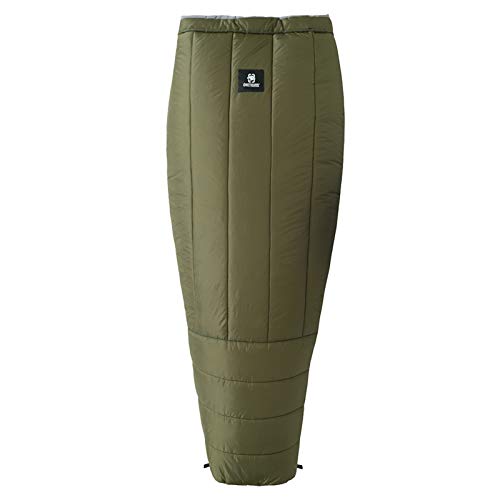
A down backpacking quilt such as the Enlightened Equipment Revelation or Hammock Gear Burrow suits weight-conscious hikers and hammock campers, an insulated pad-attached quilt such as the Therm-a-Rest Corus suits side sleepers who toss in a mummy bag, and a synthetic quilt suits wet climates and tighter budgets. The first decision is temperature rating and sleeping style, because a quilt has no hood and relies on your sleeping pad for underside insulation.
Our top picks



As an Amazon Associate we earn from qualifying purchases at no extra cost to you.
Sleeping Bag Quilts at a Glance
| Type / example | Best for | Key stated features | Limits |
|---|---|---|---|
| Down trail quilt (Enlightened Equipment Revelation) | Backpackers prioritizing low weight | The maker offers custom lengths, widths and temperature ratings with a down fill | Down loses loft when wet; custom orders may have lead times |
| Hammock quilt (Hammock Gear Burrow) | Hammock campers | The maker describes a design that wraps beneath a hammock occupant, with a snug fit | Less suited to ground use without a pad strap system |
| Quilt with pad straps (Therm-a-Rest Corus) | Side sleepers and restless sleepers | The maker describes a quilt that attaches to a pad and includes a draft system | Works best with a compatible pad |
| Synthetic quilt (Sea to Summit Ember and similar) | Wet climates and budget-conscious campers | Synthetic insulation that retains some warmth when damp | Heavier and bulkier than down |
| Lightweight camp quilt or blanket | Warm nights, car camping | Large, simple, often machine washable | Often not designed for cold temperatures |
Why a Quilt Instead of a Bag
A quilt omits the back insulation and hood that a sleeping bag has, since insulation under you is compressed and does little. Reviewers who cover backpacking gear say this saves weight and gives more freedom to turn and move the legs. The trade-off is that cold air can enter at the edges and neck, which makes the draft management system, a good pad, and sleepwear important. Many hikers add a warm hat and a pad with an adequate R-value.
What to Check Before You Buy
Temperature rating
Ratings are the maker’s figures, and standards differ. Some brands use the EN or ISO tests; others give their own comfort or limit numbers. Compare like with like, and consider choosing a quilt a little warmer than your expected lows, because personal tolerance varies widely.
Down or synthetic
Down is lighter and more compressible, but it loses loft when wet unless treated, and it needs careful care. Synthetic insulation keeps more warmth when damp and tends to cost less, but weighs more and packs larger. Check fill power and weight in the maker’s specification for down quilts.
Width and length
A quilt that is too narrow leaves drafts; too wide adds weight. Many makers offer regular, long and wide options. Measure your height and shoulder width and compare to the stated dimensions.
Attachment and draft control
Pad straps, clips and a foot box all help seal gaps. A cinch at the neck and a closed foot box are common features. Check how the quilt attaches to your pad, and whether the straps are adjustable.
Sleeping Pad Pairing
The pad is part of the system. A pad with an insufficient R-value will chill you from below, regardless of the quilt rating. For cold-season use, choose a pad that the maker rates for the conditions, and consider a closed-cell pad under an inflatable. Quilts that strap to the pad generally work best when the pad width and strap setup match.
Care and Storage
Store quilts loosely in a large breathable sack rather than compressed in a stuff sack, because long-term compression can reduce loft. Spot-clean when possible. If you must wash a down quilt, follow the maker’s instructions closely, usually a gentle wash with down-specific cleaner and a low-heat dry. Keep the quilt away from open flame, stoves and sparks, since many shell fabrics are not flame-resistant; follow local fire rules and keep it away from heaters in the tent.
Budget Tiers
- Budget: Synthetic quilts and basic camp quilts. Heavier but forgiving.
- Mid-range: Entry-level down quilts and pad-attached quilts from established brands.
- Premium: Custom high-fill-power down quilts from cottage makers and major outdoor brands.
Pick X If You…
| Pick | If you … |
|---|---|
| Enlightened Equipment Revelation | want a customizable down quilt for lightweight hiking |
| Hammock Gear Burrow | sleep in a hammock |
| Therm-a-Rest Corus | toss and turn and use a compatible pad |
| Synthetic quilt | camp in damp conditions or want a lower cost |
| Lightweight camp quilt | mostly car camp in warm weather |
Common Mistakes
- Buying on the rating alone without allowing for pad quality and clothing.
- Choosing a quilt too narrow for comfort, which leaves cold gaps.
- Storing a down quilt compressed for months.
- Using a quilt near a stove or heater without checking the fabric’s heat tolerance.
Alternatives
- Mummy sleeping bag: Better in very cold, windy conditions because of the hood and full wrap.
- Quilt plus liner: A thin liner adds a few degrees and keeps the quilt cleaner.
- Home-use quilt: A household quilt may be fine for backyard or car camping on mild nights, but is not designed for backpacking weight or cold.
Frequently Asked Questions
Are backpacking quilts as warm as sleeping bags?
For a given weight, quilts can offer comparable warmth in mild to cool conditions because they drop the compressed insulation under you. In very cold or windy weather a full bag with a hood is often more forgiving.
Do I need a special sleeping pad for a quilt?
Any pad works, but one with an adequate R-value for the season is important. Some quilts include straps that fit specific pad widths.
Is down or synthetic better for a quilt?
Down is lighter and packs smaller, while synthetic performs better when damp and costs less. Pick based on climate and budget.
How do I stop drafts?
Choose a width that fits your frame, use the neck cinch and pad straps, and pick a closed foot box. Sleepwear and a hat help too.
Can I use a quilt in a hammock?
Yes, many are designed for it, such as top quilts and underquilts. A hammock needs insulation underneath too, since compressed insulation beneath you does little.
How do I wash a down quilt?
Follow the maker’s care instructions. Typically that means a gentle wash with a down-safe cleaner and a low-heat dry. Do not guess, as improper washing can damage the insulation.