Key takeaways
- Height relative to your mattress: Aim for a top surface within roughly two inches of your mattress top. Reaching upward or downward in the dark is how water gets knocked over and how partially awake people become fully awake.
- Integrated power, placed thoughtfully: Built-in USB-A, USB-C, and AC outlets remove cable clutter, but check where the indicator light sits. Rear-mounted ports and shielded LEDs keep stray light out of your visual field, which protects melatonin timing better than any blackout curtain gimmick.
- Enclosed storage over open shelving: Drawers hide the visual noise — chargers, medication, earplugs, reading glasses — that keeps a bedroom feeling like a workspace. Open shelves look airy in photos and collect dust and disorder in practice.
- Edge containment: A raised back guard or lipped rim prevents phones and books from sliding off during the night. This is a small detail with outsized value for restless sleepers and anyone with a pet who patrols the bed.
- Footprint and assembly reality: Measure the gap between bed and wall before browsing. Narrow profiles under 16 inches wide suit apartments and dorms, and pre-assembled or minimal-assembly models spare you a late-evening project in a room you’re about to sleep in.
What's inside
Ask most people why their sleep feels shallow and they’ll blame the mattress. But the surface beside the bed matters more than its reputation suggests. A nightstand is the last thing you touch before lights out and the first thing you reach for at 3 a.m., which makes it the quiet control panel of your sleep environment. When it’s too low, too cluttered, or missing an outlet, the consequences ripple outward: a phone charging on the floor becomes a reason to sit up and hunt for it, a glass of water balanced on a stack of books becomes a spill, and a bright charging LED aimed at your face becomes 20 minutes of lost drowsiness. Shoppers rarely see these problems in a product photo, so they buy on looks and live with the friction.
This guide approaches the bedside table the way a sleep-wellness practitioner would — as functional equipment first and furniture second. Below you’ll find current standouts across the categories that actually matter in 2026: built-in charging, drawer-based clutter control, low-profile designs for tight bedrooms, and matched pairs for shared beds. I’ve also outlined the measurements and features worth checking before you commit, plus answers to the questions that come up most often when people replace a nightstand they’ve tolerated for years.
As an Amazon Associate we earn from qualifying purchases.


🛒 Best Price Today on Amazon
Prime members get fast, free shipping on everything above, plus member-only deals. New members get a 30-day free trial — cancel anytime.
How to Choose a Place To Buy A Nightstand (2026)
- Height relative to your mattress: Aim for a top surface within roughly two inches of your mattress top. Reaching upward or downward in the dark is how water gets knocked over and how partially awake people become fully awake.
- Integrated power, placed thoughtfully: Built-in USB-A, USB-C, and AC outlets remove cable clutter, but check where the indicator light sits. Rear-mounted ports and shielded LEDs keep stray light out of your visual field, which protects melatonin timing better than any blackout curtain gimmick.
- Enclosed storage over open shelving: Drawers hide the visual noise — chargers, medication, earplugs, reading glasses — that keeps a bedroom feeling like a workspace. Open shelves look airy in photos and collect dust and disorder in practice.
- Edge containment: A raised back guard or lipped rim prevents phones and books from sliding off during the night. This is a small detail with outsized value for restless sleepers and anyone with a pet who patrols the bed.
- Footprint and assembly reality: Measure the gap between bed and wall before browsing. Narrow profiles under 16 inches wide suit apartments and dorms, and pre-assembled or minimal-assembly models spare you a late-evening project in a room you’re about to sleep in.
The Best Place To Buy A Nightstand (2026)s Reviewed
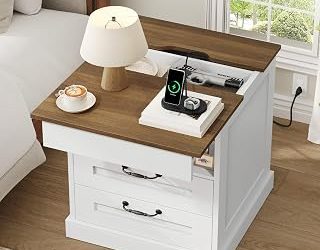
Lazzanto Nightstand with Rear Charging Station and LED Light
The rear-facing port placement here is the detail I’d highlight to any client: two USB-A ports and AC outlets stay out of sight while the raised back guard keeps devices from migrating off the edge. The fabric drawers keep contents quiet when opened, and the LED is subtle enough to serve as a wayfinding light rather than an alertness trigger.
Huuger Nightstand Set of 2 with Charging Station
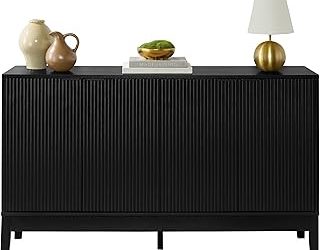
Buying in pairs solves the most common bedside argument — one partner monopolizing the only outlet — and the USB-C port means modern phones and tablets charge at usable speeds. The fluted walnut fronts and solid wood feet read as considered design rather than dorm-room utility, with raised edges doing quiet protective work.
SUPERJARE Nightstand with Charging Station
Three tiers give you genuine separation between nightly essentials and overflow storage, and the adjustable fabric drawer accommodates awkward items like a CPAP hose or a hardcover you’re mid-way through. The rustic brown and black palette hides fingerprints and dust better than pale finishes.
Vintage Nightstand with Charging Station and 3 Drawers
Pre-assembled delivery is the standout feature — it arrives ready to position, which matters when you’re replacing furniture in a room you need functional that same night. Three drawers and a narrow footprint make it a strong fit for older homes where bedside clearance is measured in inches.
AWASEN Mid Century Modern Nightstand
For bedrooms where you’d rather not see a charging hub, this pared-back design with spindle wood legs keeps the visual field calm and the single drawer honest about capacity. The raised leg profile also makes floor cleaning easy, which matters more for air quality and allergy management than most people account for.
Frequently Asked Questions
What height should a nightstand be?
Match it to your mattress top, give or take two inches. Most standard beds pair well with nightstands between 24 and 28 inches tall, but platform beds and low-profile mattresses often need something in the 20 to 24 inch range.
Are built-in charging stations worth it?
Yes, primarily because they eliminate the tangle of cables that makes a bedside area feel unsettled. Look for models with rear-mounted ports and dim or shielded indicator lights, since bright blue LEDs at eye level work against the darkness your circadian system needs.
Do I need two matching nightstands?
Not necessarily, though symmetry does reduce visual busyness in a room meant for winding down. If you share a bed, two nightstands are less about aesthetics and more about each person having their own reachable surface and power access.
What should actually live on a nightstand?
Keep the surface to three or four items: a water glass, a warm-toned lamp, and whatever you’re reading. Everything else — chargers, medication, chapstick, spare earplugs — belongs in a drawer, where it stays accessible without contributing to the low-grade visual clutter that signals “unfinished business” to your brain.
Final Thoughts
If you want one nightstand that handles power management without polluting your bedroom with light, the Lazzanto with its rear charging station and shielded LED is the most sleep-conscious choice on this list. Couples should look at the Huuger set of two, which resolves the outlet-sharing problem while bringing genuine design quality to both sides of the bed. And for anyone who needs a solution tonight rather than after an hour of assembly, the pre-assembled vintage three-drawer model is the practical pick.