Key takeaways
- Verified low emissions: A nursery is a small, often closed, poorly ventilated room where an infant spends twelve to sixteen hours a day. GREENGUARD Gold certification means the piece was chamber-tested against strict chemical emission limits, which matters far more here than in an open living space.
- Stability engineering: Confirm the model meets the current STURDY Act performance standard, and prioritize interlocking drawer systems that prevent more than one drawer opening at a time. Anchor the unit to a wall stud on day one — not “once the baby crawls.”
- Quiet operation: Test or research the glides. Metal ball-bearing runners and soft-close hardware let you retrieve a fresh sleeper without the sharp wooden scrape that pulls a drowsy baby back into full alertness.
- Changing height and depth: Aim for a top surface between roughly 36 and 38 inches and a depth of at least 17 inches so a contoured pad sits fully supported. Correct height protects your spine during dozens of daily changes; correct depth prevents overhang.
- Footprint and reach: Wide double dressers give you a genuine changing station plus lamp and basket space; tall chests conserve floor area in compact rooms. Either way, arrange it so wipes and sleepwear are reachable without stepping away from the child.
What's inside
Most nursery checklists file the dresser under “furniture,” but in practice it functions as sleep equipment. It is the surface you operate at 2 a.m. with one hand, a swaddled infant on your forearm, and the room deliberately dim. A drawer that shrieks on its runners, a top that sits two inches too low for your back, or a finish that keeps venting solvent odor into a small closed room can all quietly erode the thing you actually bought it to protect: consolidated, uninterrupted sleep for the baby and for you.
This guide evaluates 2026’s leading nursery dressers through that lens. I screened for indoor air quality certification, tip-over engineering under the federal STURDY standard, drawer acoustics and glide smoothness, changing-topper compatibility, and whether the piece has a second life once the diaper years end. Assembly quality and real-world drawer capacity were weighted as well, since a dresser that sags or racks after eighteen months is a false economy.
As an Amazon Associate we earn from qualifying purchases.


🛒 Best Price Today on Amazon
Prime members get fast, free shipping on everything above, plus member-only deals. New members get a 30-day free trial — cancel anytime.
How to Choose a Nursery Dresser (2026)
- Verified low emissions: A nursery is a small, often closed, poorly ventilated room where an infant spends twelve to sixteen hours a day. GREENGUARD Gold certification means the piece was chamber-tested against strict chemical emission limits, which matters far more here than in an open living space.
- Stability engineering: Confirm the model meets the current STURDY Act performance standard, and prioritize interlocking drawer systems that prevent more than one drawer opening at a time. Anchor the unit to a wall stud on day one — not “once the baby crawls.”
- Quiet operation: Test or research the glides. Metal ball-bearing runners and soft-close hardware let you retrieve a fresh sleeper without the sharp wooden scrape that pulls a drowsy baby back into full alertness.
- Changing height and depth: Aim for a top surface between roughly 36 and 38 inches and a depth of at least 17 inches so a contoured pad sits fully supported. Correct height protects your spine during dozens of daily changes; correct depth prevents overhang.
- Footprint and reach: Wide double dressers give you a genuine changing station plus lamp and basket space; tall chests conserve floor area in compact rooms. Either way, arrange it so wipes and sleepwear are reachable without stepping away from the child.
The Best Nursery Dressers of 2026, Reviewed
Storkcraft Avalon 6 Drawer Double Dresser
The Avalon’s wide stance is the most sleep-friendly layout in this group: it accommodates a full-size contoured pad while leaving room for a dim lamp and a wipes caddy, so night changes happen in one place without fumbling. GREENGUARD Gold certification plus the safety-focused interlocking drawer system make it my default recommendation for a primary nursery dresser.
Storkcraft Horizon 6 Drawer Dresser
A vertically oriented six-drawer chest in a soft driftwood tone, the Horizon is the answer for nurseries where floor space is genuinely tight and the crib already dominates the room. Drawers run cleanly, the interlocking mechanism is standard, and the neutral finish reads as adult furniture once the changing pad comes off.
DaVinci Charlie 6-Drawer Baby Dresser
Charlie is the build-quality pick: sturdier drawer boxes, a more refined finish, and DaVinci’s characteristically clean lines that survive the transition from nursery to teenager’s room without looking juvenile. GREENGUARD certified, and the one I’d choose if the dresser needs to last fifteen years rather than five.
Vabches 7 Drawer Fluted Nursery Dresser
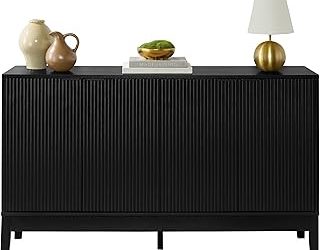
The fluted oak fronts and brushed gold pulls deliver a genuinely designed look, and the seventh drawer is more useful than it sounds — it isolates small overnight essentials so you are not opening three drawers in the dark. Best suited to parents who want the nursery to feel like a considered room rather than a temporary one.
White 6 Drawer Dresser with Solid Wood Legs
This is the value option, and it earns its place: six roomy drawers, a bright white body, and tapered solid wood legs that lift it visually off the floor. Expect fabric-style drawer bins rather than heirloom joinery, which makes it an excellent secondary dresser or a sensible primary choice on a tighter budget.
Frequently Asked Questions
Is GREENGUARD Gold certification actually necessary?
It is not legally required, but it is the most reliable third-party signal you have. Nurseries are small and frequently closed overnight, so a certified low-emission piece meaningfully reduces the chemical load in the air your baby breathes during long sleep stretches.
Can I safely use a dresser as a changing table?
Yes, provided three conditions are met: the unit is anchored to a wall stud, the top is deep enough to fully support a contoured pad, and the pad is secured to the surface with the manufacturer’s fasteners or heavy-duty hook-and-loop strips. Never leave a child unattended on the surface, even briefly.
Wide dresser or tall chest for a small nursery?
If the room can absorb the width, go wide — the usable changing surface and lower center of gravity are both advantages. In rooms under roughly ten by ten feet, a tall six-drawer chest such as the Horizon or Rio preserves circulation space you will appreciate during nighttime feeds.
How do I keep drawers from waking the baby?
Choose ball-bearing or soft-close glides, load heavier items in the lower drawers to reduce racking, and pre-stage your overnight supplies in the top drawer before bedtime. Opening one shallow drawer beats opening three.
Final Thoughts
For most families, the Storkcraft Avalon offers the best combination of changing-station width, certified low emissions, and price, while the DaVinci Charlie is the one to buy if you want a piece that outlives the nursery entirely. If floor space is the binding constraint, the Storkcraft Horizon delivers the same safety architecture in a footprint that leaves room to walk a fussy newborn back to sleep.