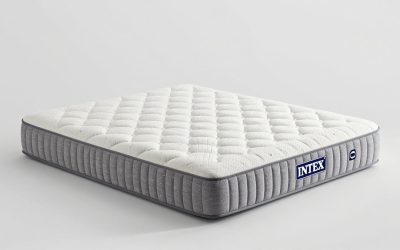
Most mattresses are engineered around a statistical average sleeper — somewhere near 150 to 180 pounds — and that assumption quietly shapes every specification, from coil gauge to foam density. If you carry more weight, you load a bed very differently. Comfort layers bottom out sooner, the hips settle below the shoulder line, and the perimeter folds when you sit down to tie your shoes. The consequences are rarely dramatic. They surface as brief arousals you never consciously remember, a lower back that starts complaining around 5 a.m., and eight hours in bed that somehow don’t feel restorative.
This guide looks at the problem through sleep physiology rather than marketing copy. Below, I’ve outlined the specifications that genuinely predict spinal alignment and long-term durability under higher body loads, followed by five mattresses — in king and Full XL — chosen because they hold their geometry over time instead of developing the body impression that slowly erodes sleep quality.
Our top picks


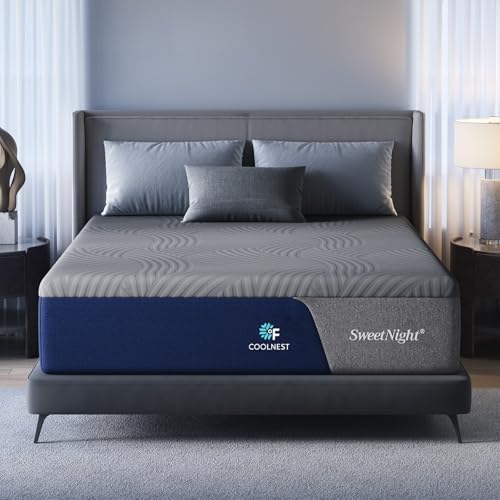 Full XL Mattress
- CoolNest System for a Cooler Night - The…
- 5-Zone Support for Pressure Relief - Engineered with…
- Motion Isolation for Undisturbed Sleep - Constructed with…

As an Amazon Associate we earn from qualifying purchases at no extra cost to you.
🛒 Best Price Today on Amazon
Prime members get fast, free shipping on everything above, plus member-only deals. New members get a 30-day free trial — cancel anytime.
How to Choose a Mattress For Big Person (2026)
- Support core, not surface feel: Comfort layers determine the first thirty seconds; the core determines the next seven hours. Prioritize pocketed coils or a high-density base foam at least six inches deep, since that layer carries almost all of the structural load.
- Density over advertised thickness: A 14-inch profile means nothing if it’s built from low-grade filler. Look for memory foam at 4 lb/ft³ or higher and base polyfoam at 1.8 lb/ft³ or higher — density, not height, is what resists permanent compression.
- Zoned lumbar reinforcement: The pelvis is the heaviest region of the body and sinks first. Beds with firmer coils or reinforced foam through the middle third keep the lumbar curve neutral instead of letting it fold into a hammock shape.
- Perimeter integrity: Edge collapse shrinks your usable sleep surface and makes getting in and out harder on the knees. Reinforced border rods or a foam-encased coil unit are worth insisting on for couples sharing a king.
- Thermal architecture: Greater body mass produces more metabolic heat, and core temperature must fall for deep sleep to consolidate. Gel or copper-infused foam paired with an open coil layer moves heat far more effectively than a cooling cover alone.
The Best Mattresses For Big People (2026) Reviewed
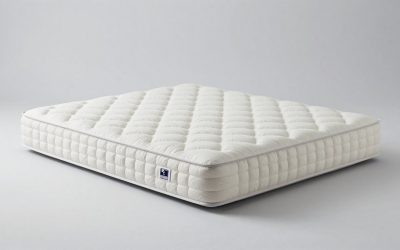
EGOHOME 14-Inch King Memory Foam Mattress
Copper-gel infusion and a graphene-based cover give this all-foam build a genuine thermal advantage, which matters because dense foam normally traps heat. The medium-firm calibration and ICA endorsement make it a sensible pick for heavier back and side sleepers managing morning stiffness.
BedStory 14-Inch King Hybrid Mattress
Purpose-built for higher body weights, its zoned pocket spring unit firms up beneath the lumbar region and keeps the pelvis from dropping out of alignment. The ten-year warranty and anti-sag construction signal real confidence in the coil system rather than the comfort layer.
Sweetnight CoolNest 14-Inch King Mattress
The five-zone ergonomic layout distributes load intelligently across shoulders, hips, and legs, producing a medium feel that still resists bottoming out. Breathability is the standout here — a strong option for hot sleepers who find conventional memory foam stifling.
14-Inch Full XL Hybrid with Pocket Springs
Excellent edge support and a fiberglass-free gel foam and coil pairing make this the strongest Full XL choice for taller, heavier solo sleepers. The medium-firm surface offers pressure relief at the shoulder without sacrificing lumbar lift.
12-Inch Full XL Cooling Gel Hybrid
A more compact profile suited to guest rooms, adjustable-height frames, or lighter-framed larger sleepers who still want coil support. Motion isolation is impressive for a hybrid at this thickness.
Frequently Asked Questions
What firmness should a heavier sleeper choose?
Firmness is perceived, not absolute. A mattress rated medium-firm will feel noticeably softer to someone above 250 pounds because greater mass compresses the comfort layers further, so most larger sleepers should shop one step firmer than their preference suggests.
How thick does the mattress need to be?
Twelve inches is a reasonable floor and fourteen is the safer target. The extra height allows a deeper support core, which is the layer doing the structural work — not just a plusher surface.
Will memory foam sag faster under higher body weight?
Low-density foam will. Quality foam at 4 lb/ft³ or above holds up well. Check the warranty’s sag threshold too — coverage that only begins at 1.5 inches of impression is far weaker than coverage starting at 0.75 inches.
Does the bed frame matter?
Considerably. A queen or king needs center-leg support, and slats should sit no more than three inches apart. An inadequate foundation will void warranties and cause sagging that gets blamed on the mattress.
Final Thoughts
For most larger sleepers, the BedStory 14-inch hybrid offers the most reassuring combination of zoned coil support and anti-sag engineering, while the EGOHOME 14-inch king is the better call if you prefer contouring foam with serious cooling technology. Hot sleepers who want a slightly more balanced feel should shortlist the Sweetnight CoolNest before deciding.