Key takeaways
- Noise output: Electric induction motors typically run 75–80 dB versus 90-plus for gas — roughly the difference between a dishwasher and a lawnmower. Anything above 85 dB triggers a measurable startle-and-arousal response, which is why loud chores belong to daylight hours, not the wind-down window.
- Pressure and flow together: PSI cuts, GPM rinses. For automotive paint, 1,300–2,300 PSI paired with roughly 1.5–1.8 GPM finishes the job faster than a higher-pressure unit that dribbles.
- Time from stored to spraying: Quick-connect nozzles, an onboard soap tank, and a hose that coils without a fight are the difference between washing before dinner and washing under a floodlight at 9 p.m.
- Storage footprint: A vertical chassis with integrated hose and cord management keeps the garage functioning as usable space rather than an obstacle course — and a clutter-free approach to the house genuinely lowers evening friction.
- Ergonomic load: Check unit weight, wand length, and trigger resistance. Shoulder and forearm strain from a badly balanced wand is a real source of 2 a.m. wake-ups, and it’s entirely avoidable.
What's inside
Most people buy a car pressure washer under duress. The pollen has baked onto the hood, the neighbor just detailed their truck, and it’s 5:40 p.m. on a Saturday — so the machine that gets ordered is whichever one promises the biggest number on the box. Two weeks later it lives in a tangled heap behind the recycling bins, it screams at 90-plus decibels, and the only window you have to use it is after dinner, when a loud, high-arousal chore is the last thing your nervous system needs.
I spend my working life on sleep architecture and the household habits that quietly wreck it, and a surprising number of those habits live in the garage. This guide evaluates 2026’s best car pressure washers the way I’d evaluate anything else you keep inside your home: how loud it is, how fast it goes from stored to spraying, how much floor it steals, and how much strain it puts on your shoulders and lower back. Cleaning power matters too — but a washer you dread hauling out is a washer that turns a ten-minute task into an evening-long one.
As an Amazon Associate we earn from qualifying purchases.



How to Choose a Car Pressure Washer (2026)
- Noise output: Electric induction motors typically run 75–80 dB versus 90-plus for gas — roughly the difference between a dishwasher and a lawnmower. Anything above 85 dB triggers a measurable startle-and-arousal response, which is why loud chores belong to daylight hours, not the wind-down window.
- Pressure and flow together: PSI cuts, GPM rinses. For automotive paint, 1,300–2,300 PSI paired with roughly 1.5–1.8 GPM finishes the job faster than a higher-pressure unit that dribbles.
- Time from stored to spraying: Quick-connect nozzles, an onboard soap tank, and a hose that coils without a fight are the difference between washing before dinner and washing under a floodlight at 9 p.m.
- Storage footprint: A vertical chassis with integrated hose and cord management keeps the garage functioning as usable space rather than an obstacle course — and a clutter-free approach to the house genuinely lowers evening friction.
- Ergonomic load: Check unit weight, wand length, and trigger resistance. Shoulder and forearm strain from a badly balanced wand is a real source of 2 a.m. wake-ups, and it’s entirely avoidable.
The Best Car Pressure Washers (2026), Reviewed
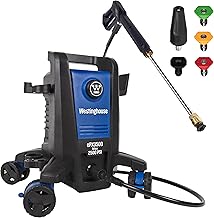
Westinghouse ePX3500
At 2,500 max PSI and 1.76 max GPM, this is the most capable pick here, and the anti-tipping base means it stays upright when you drag the hose around the far side of the car instead of clattering onto the driveway mid-rinse. The onboard soap tank and pro-style steel wand cut the fiddling that pushes a wash session past sundown.
Quick-Connect Power Washer with Foam Cannon (Bright Green)
The four quick-connect nozzles plus a bundled foam cannon cover a full two-bucket-style wash without a single add-on purchase, which is the main appeal for a first-time buyer. Expect a lighter-duty build than the Westinghouse trio, but for a weekly sedan rinse it’s more than adequate.
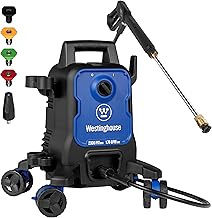
Westinghouse ePX3100
For automotive work specifically, 2,300 PSI at 1.76 GPM is the sweet spot — enough to strip road film and brake dust, not so much that you’re second-guessing every pass near a trim seam. It’s the model I’d recommend to most drivers.
Westinghouse ePX3100v
The 2,100 PSI version trades a little muscle for a built-in carry handle and a detachable foam cannon, making it the easiest of the three to move from a shelf to the curb single-handed. Ideal for condo owners and anyone whose “garage” is a shared parking bay.
6-in-1 Cordless Pressure Washer (1300 PSI)
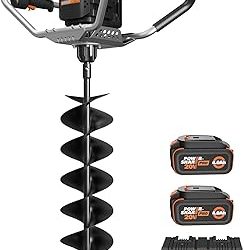
Two 4.0Ah batteries and no tether to an outlet or spigot make this the quietest, most spontaneous option on the list — genuinely usable at 7 a.m. without waking a household. It’s built for maintenance washes and interiors rather than months of caked grime.
Frequently Asked Questions
How much pressure is safe for car paint?
Keep the working pressure around 1,200–1,900 PSI, use a 40-degree white tip, and hold the wand at least 12 inches from the panel. Distance and nozzle angle protect the clear coat far more than the number printed on the machine.
Is an electric pressure washer quiet enough for early mornings?
Generally yes. Most electric units sit in the 75–80 dB range at the operator’s position and drop off quickly with distance, which keeps you well inside typical residential quiet-hours ordinances. A cordless model is quieter still.
Can a cordless washer clean an entire car?
On a moderately dirty vehicle, yes — expect roughly 15–25 minutes of runtime per 4.0Ah battery, which is why the two-battery configuration matters. Heavy winter salt or off-road mud still calls for a corded unit.
Does washing the car at night actually affect sleep?
Moderate physical activity two to three hours before bed is fine and often helps. The disruptors are the bright task lighting and the sustained noise-and-vigilance state, both of which delay melatonin onset — so schedule washes for daylight and keep the evening for lower-stimulation tasks.
Final Thoughts
For most drivers, the Westinghouse ePX3100 hits the right balance of pressure, flow, and low-hassle setup, while the ePX3500 is the upgrade worth making if you’re also cleaning fences, patios, and driveways. If your priority is a quiet, grab-and-go wash that never intrudes on the household’s evening, the 6-in-1 cordless washer is the one I’d keep by the door.