Key takeaways
- CFM over PSI: Blow-outs move volume, not pressure. Aim for at least 2.5 SCFM at 90 PSI for small systems and 4–5 SCFM for multi-zone yards with long lateral runs. Raw max PSI numbers are largely irrelevant here.
- Tank size matched to zones: A 1–6 gallon tank works if you accept frequent pauses while it recovers. Twenty gallons and up lets you clear an entire zone in one continuous pass, which is faster and gentler on the pump.
- Regulate down to 50–80 PSI: Never blast a residential system at full tank pressure. PVC tolerates roughly 80 PSI; polyethylene tubing prefers 50. A responsive, easy-to-read regulator is a genuine safety feature, not a luxury.
- Noise rating, honestly assessed: Anything under 65 dB is neighborhood-friendly and won’t wake sleeping children indoors. Standard pancake units typically run 78–90 dB — usable, but wear hearing protection and pick your hour carefully.
- Portability and duty cycle: You’ll be walking this to a backflow preventer, possibly across gravel. Wheels and a real handle matter on larger vertical tanks; a 75% duty cycle means the motor can keep working instead of forcing you to wait it out.
What's inside
Every autumn, the same small crisis plays out in driveways across the country: the first hard frost is forecast for Thursday, the irrigation lines are still full of water, and the compressor in the garage corner turns out to be either too weak to push the lines clear or so punishingly loud that a twenty-minute job becomes an ordeal for everyone within a hundred yards. Sprinkler blow-outs are unusual among homeowner tasks because they demand sustained air volume rather than a quick burst of pressure — and because they almost always happen early on a cold weekend morning, when your neighbors are still asleep and your own tolerance for a shrieking motor is at its lowest.
As someone who spends most of my working life thinking about noise, recovery, and the small environmental irritants that erode rest, I pay unusual attention to decibel ratings on equipment like this. A compressor rated near 60 dB sits roughly at conversation level; one rated in the high 80s or 90s is closer to a lawnmower pressed against your ear, and cycling repeatedly through a fall morning it will absolutely wake a household. Below you’ll find compressors chosen for the balance that actually matters here: enough continuous CFM to clear a residential zone, tank capacity sized to your system, and — where possible — an operating volume that won’t cost you goodwill or a nap.
As an Amazon Associate we earn from qualifying purchases.




How to Choose a/an Air Compressor For Sprinkler Blow Out (2026)
- CFM over PSI: Blow-outs move volume, not pressure. Aim for at least 2.5 SCFM at 90 PSI for small systems and 4–5 SCFM for multi-zone yards with long lateral runs. Raw max PSI numbers are largely irrelevant here.
- Tank size matched to zones: A 1–6 gallon tank works if you accept frequent pauses while it recovers. Twenty gallons and up lets you clear an entire zone in one continuous pass, which is faster and gentler on the pump.
- Regulate down to 50–80 PSI: Never blast a residential system at full tank pressure. PVC tolerates roughly 80 PSI; polyethylene tubing prefers 50. A responsive, easy-to-read regulator is a genuine safety feature, not a luxury.
- Noise rating, honestly assessed: Anything under 65 dB is neighborhood-friendly and won’t wake sleeping children indoors. Standard pancake units typically run 78–90 dB — usable, but wear hearing protection and pick your hour carefully.
- Portability and duty cycle: You’ll be walking this to a backflow preventer, possibly across gravel. Wheels and a real handle matter on larger vertical tanks; a 75% duty cycle means the motor can keep working instead of forcing you to wait it out.
The Best Air Compressor For Sprinkler Blow Out (2026)s Reviewed
Klutch 29-Gallon Air Compressor
With 5.1 CFM at 90 PSI and a 29-gallon reservoir, this is the most capable option here for larger properties — enough stored air to walk a full zone clear without stopping to rebuild pressure. The oil-free vertical design keeps the footprint modest and maintenance essentially limited to draining the tank.
Klutch 20-Gallon Air Compressor
The 20-gallon sibling delivers 4.2 SCFM and a 75% duty cycle, which is the sweet spot for typical three-to-six-zone suburban systems. Large wheels and an accessible drain valve make the seasonal ritual less of a chore.
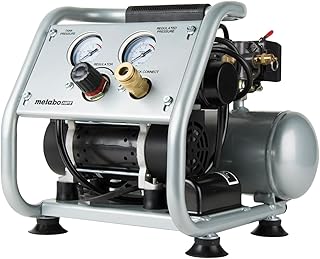
Metabo HPT Pancake Compressor, 6 Gallon (EC914S)
At 4 CFM from a 6-gallon tank, this pancake punches well above its size class and doubles convincingly as a nailer compressor the rest of the year. Expect to pause between zones as it recovers, and expect it to be heard.
DEWALT Pancake Air Compressor, 6 Gallon (DWFP55126)
A deservedly ubiquitous unit: 2.6 SCFM at 90 PSI, a maintenance-free pump, and a high-flow regulator that makes dialing down to safe sprinkler pressure straightforward. Ideal for compact systems and homeowners who want one compressor for everything.
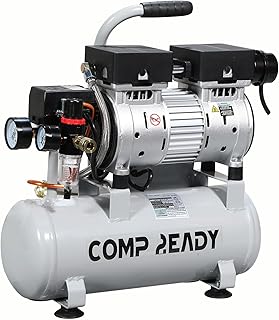
8 Gallon Ultra-Quiet Oil-Free Compressor
A 60 dB rating paired with 8 gallons of storage is a genuinely uncommon combination, and it’s the pick I’d recommend to anyone working near bedroom windows or in an attached garage. The 2.5 CFM output suits small-to-medium systems worked zone by zone.
Frequently Asked Questions
What PSI should I use to blow out sprinklers?
Keep it at 50 PSI for polyethylene tubing and no more than 80 PSI for rigid PVC. Higher pressures risk cracking fittings, damaging heads, and injuring you — the goal is steady airflow, not force.
Is a pancake compressor really enough?
For one to three zones, yes, provided you work patiently and let the tank refill between passes. Larger systems benefit substantially from a 20-gallon-plus tank.
How quiet is quiet enough for an early-morning blow-out?
Roughly 60 dB is conversational and won’t carry meaningfully into a closed bedroom. Above 80 dB you’re in lawnmower territory: fine at 10 a.m., inconsiderate at 7.
Do I need to blow out every year?
In any climate with sustained freezing temperatures, yes — annually, before the first hard freeze. Trapped water expands and splits pipes and valve bodies, and those repairs dwarf the cost of a compressor.
Final Thoughts
For most homeowners with a multi-zone system, the Klutch 20-Gallon offers the best balance of airflow, capacity, and value, while the Klutch 29-Gallon is the one to buy if your yard is large or your runs are long. If your garage shares a wall with a bedroom — or you simply value a peaceful Saturday morning — the 8 Gallon Ultra-Quiet model is the thoughtful choice, and the DEWALT DWFP55126 remains the dependable do-everything pick for compact systems.