Sleep after sixty isn’t simply “less” sleep — it’s structurally different. Deep slow-wave sleep thins out, the arousal threshold drops, and the body becomes far less forgiving of one fixed posture held for seven or eight hours. Add reflux that flares when flat, shoulders and hips that ache under pressure, fluid pooling in the lower legs, and two or three trips to the bathroom before sunrise, and the mattress that worked fine at forty starts quietly fragmenting the night at seventy-five.
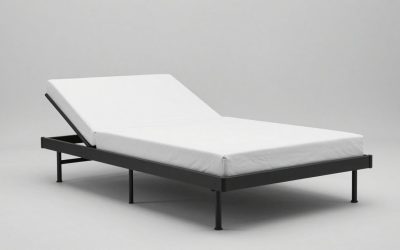
An adjustable bed solves much of that mechanically rather than pharmacologically, which is why it’s one of the few sleep purchases worth prioritising in later life. The complication is that the category now covers two very different machines: home-medical beds engineered around transfer safety and caregiving, and lifestyle bases engineered around comfort positioning. This guide draws that line clearly, explains which specifications actually predict long-term satisfaction, and reviews the models worth shortlisting in 2026.
Our top picks


As an Amazon Associate we earn from qualifying purchases at no extra cost to you.
🛒 Best Price Today on Amazon
Prime members get fast, free shipping on everything above, plus member-only deals. New members get a 30-day free trial — cancel anytime.
How to Choose an Adjustable Bed for Seniors (2026)
- Deck height and transfer safety: Most bedroom falls happen in the seconds between sitting and standing. A bed that drops to roughly 8.5 inches lets shorter users plant both feet flat before rising, then raises to 25 inches so a caregiver isn’t bending at the waist.
- Motor quality and noise: Older sleepers wake more easily, so a coarse, buzzing actuator undermines the whole purpose. German-built or comparably rated motors run quieter, hold position under load, and tend to survive years of nightly cycling rather than months.
- Position range beyond head-up: Look for independent foot articulation, a true zero-gravity preset, and programmable memory positions. Leg elevation above heart level is what eases oedema and restless legs; head elevation alone won’t do it.
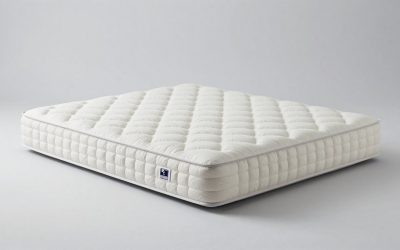
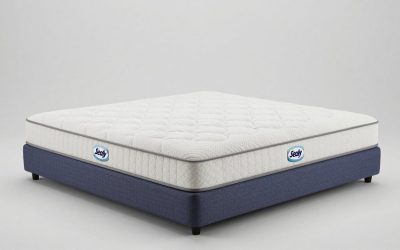
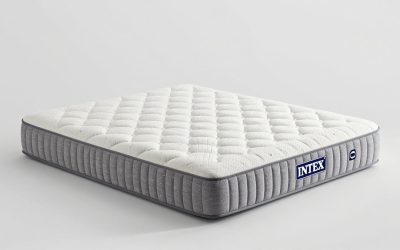
- Mattress compatibility: Innersprings with rigid perimeters resist bending and shorten the bed’s life. Pair the base with 10–14 inches of gel memory foam or a flexible hybrid, and check the mattress is CertiPUR-US certified for off-gassing.
- Controls, rails and caregiver extras: Arthritic hands need large, tactile buttons and ideally a backlit or wired remote that can’t be lost in the sheets. Side rails, an overbed table and USB charging turn a bed into a workable recovery station.
The Best Adjustable Beds for Seniors (2026) Reviewed
Sven & Son Classic Adjustable Bed Base with Hybrid Mattress
The most complete lifestyle package here: head and foot lift, zero gravity, massage, under-bed lighting and USB ports, bundled with a 14-inch medium-soft hybrid that flexes properly at the articulation points. Best suited to independently mobile seniors who want relief from reflux and snoring without a bed that looks clinical.
Celestial Aurora Adjustable Base + 12″ Gel Memory Foam
A sensible middle path — memory positions, zero gravity and genuinely straightforward assembly, matched to a CertiPUR-US gel foam mattress that sleeps cooler than standard foam. The Twin XL footprint makes it an easy retrofit into an existing bedroom or a split-king pairing.
Electric Hospital Bed with German Motor (5 Functions)
This is the pick when clinical capability matters: five powered functions, an ultra-low 8.5-inch deck for safe transfers, rails, and an overbed table, all wrapped in wood panels with upholstered covers so it reads as furniture rather than equipment. The motor is the standout — smooth, quiet and reassuringly unhurried under load.
Adjustable Electric Lift Bed with Sit-to-Stand Assist
Purpose-built for the transition that causes the most trouble, with one-touch backrest lift and leg lowering that eases the user into a seated, feet-down position. Ideal for anyone with limited quad strength or post-surgical restrictions who still wants to get up unaided.
Adjustable Hospital Bed with Fall-Safe Frame & Meal Tray
The fall-safe frame and integrated tray make this the strongest option for extended bed rest, where meals, medication and repositioning all happen in place. Head and foot incline are independently controlled, which matters for pressure redistribution across long days.
Frequently Asked Questions
Will Medicare cover an adjustable bed?
Medicare Part B may cover part of a hospital-style bed when a physician documents medical necessity and it’s supplied by an approved DME provider. Lifestyle adjustable bases bought retail are almost never reimbursed, so confirm coverage before purchasing rather than after.
Can I keep my current mattress?
Only if it bends. Latex, memory foam and flexible hybrids generally adapt well; traditional innersprings, pillow-tops with stiff edges and anything with a rigid border rod will resist the frame and wear unevenly. When in doubt, buy the base and mattress together.
Do adjustable beds actually help snoring and reflux?
Yes, for many people. Elevating the torso 30–45 degrees uses gravity to keep stomach acid down and reduces upper-airway collapse in positional snorers. It is not a substitute for CPAP in diagnosed sleep apnoea, but it complements it well.
How much space and maintenance do they need?
Allow a few inches of wall clearance for head-lift travel and keep the power cord routed clear of the mechanism. Beyond that, upkeep is minimal: vacuum beneath the frame periodically and check rail fixings and remote connections every few months.
Final Thoughts
For an active senior who simply wants better nights, the Sven & Son Classic base delivers the widest comfort feature set, with the Celestial Aurora offering nearly the same positioning at a gentler price and an easier setup. Where mobility, recovery or caregiver support is the real issue, the German-motor electric hospital bed is the more honest answer — quieter, lower to the floor, and built for the years of daily cycling that a domestic base was never designed to take.