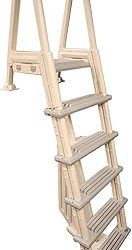
Key takeaways
- Rung spacing and depth: Rungs set 10–12 inches apart let a folded duvet breathe without the layer below smothering it. Round dowels are gentler on knits and loose weaves; square rails create pressure creases in wool and cashmere over time.
- Height versus ceiling reach: A 6.4-foot frame holds more but puts the top rung above comfortable reach for many adults, which defeats the purpose if you want a grab-and-drape layer at night. A 4.5–5.5-foot ladder is the sweet spot beside a bed.
- Lean angle and wall contact: Leaning models need roughly 8–14 inches of floor clearance from the baseboard to sit stably. Freestanding A-frame or hinged designs are the safer answer in homes with toddlers, dogs, or rental walls you can’t anchor into.
- Anti-slip feet and straps: Rubber feet or included wall straps are not upsells. A loaded ladder on hardwood or tile will creep, and a leaning frame that creeps eventually falls.
- Wood, finish, and humidity: Solid pine and hardwood handle bathroom humidity far better than veneered particleboard, which swells at the joints. Check that the finish is fully cured and low-odor before putting it in a bedroom — off-gassing near your pillow is worth avoiding.
What's inside
Most people shopping for a blanket ladder think they have a storage problem. From where I sit — advising clients on sleep environments — they usually have a temperature problem. Layered bedding is the single most practical tool for managing overnight thermoregulation, because your core temperature drops after sleep onset and climbs again toward morning. That means you need a spare quilt within arm’s reach at 3 a.m., not folded at the bottom of a closet behind the winter coats. When blankets are hard to reach, people stop adjusting and start tolerating — and tolerating a too-warm or too-cool bed is one of the quietest causes of fragmented sleep I encounter.
A blanket ladder solves that quietly and attractively. It keeps two to six textiles vertical, ventilated, and visible, which matters for freshness as much as for convenience: draped fabric dries out between uses instead of trapping the moisture your body sheds every night. This guide covers what actually distinguishes a good ladder from a decorative prop — rung geometry, lean angle, footprint, wood quality, and slip resistance — followed by reviews of the models worth your money in 2026 and answers to the questions I hear most from clients.
As an Amazon Associate we earn from qualifying purchases.


How to Choose a Blanket Ladder (2026)
- Rung spacing and depth: Rungs set 10–12 inches apart let a folded duvet breathe without the layer below smothering it. Round dowels are gentler on knits and loose weaves; square rails create pressure creases in wool and cashmere over time.
- Height versus ceiling reach: A 6.4-foot frame holds more but puts the top rung above comfortable reach for many adults, which defeats the purpose if you want a grab-and-drape layer at night. A 4.5–5.5-foot ladder is the sweet spot beside a bed.
- Lean angle and wall contact: Leaning models need roughly 8–14 inches of floor clearance from the baseboard to sit stably. Freestanding A-frame or hinged designs are the safer answer in homes with toddlers, dogs, or rental walls you can’t anchor into.
- Anti-slip feet and straps: Rubber feet or included wall straps are not upsells. A loaded ladder on hardwood or tile will creep, and a leaning frame that creeps eventually falls.
- Wood, finish, and humidity: Solid pine and hardwood handle bathroom humidity far better than veneered particleboard, which swells at the joints. Check that the finish is fully cured and low-odor before putting it in a bedroom — off-gassing near your pillow is worth avoiding.
The Best Blanket Ladders of 2026, Reviewed
6-Tier 5.6FT Pine Wood Blanket Ladder
The hinged, freestanding construction makes this my default recommendation for bedrooms: it stands on its own rather than relying on wall friction, and the four anti-slip straps plus removable hooks let you dedicate lower rungs to nightly layers and hooks to a robe. At 5.6 feet with six tiers, every rung stays within reach from a standing position.
24in Wide Rustic Blanket Ladder, Burnt Brown
The extra width is the point here — 24 inches accommodates a folded queen quilt without the overhang that makes narrower ladders look cluttered. The burnt brown finish reads warm rather than orange under lamplight, which suits bedrooms where you’re trying to keep the visual field calm before bed.
57in Rustic Wood Blanket Ladder, Fully Assembled
Arriving fully assembled removes the most common failure point in this category, which is an under-torqued rung joint that loosens under weight. At 57 inches it’s the most bedside-appropriate height in this lineup, and the visible grain gives it presence without demanding a matching decor scheme.
18.5in Wide Solid Wood Blanket Ladder
Narrow enough at 18.5 inches to tuck beside a nightstand or into a bathroom corner, this one is the small-space specialist. Six rungs on a slim frame means you should reserve it for throws, towels, and lighter quilts rather than stacking heavy duvets up high.
Farmhouse 6-Tier Blanket Ladder with Removable Hooks
The removable hooks make this the most flexible option for a shared bathroom or entry, where a towel, a scarf, and a bathrobe all compete for the same square footage. Confirm your baseboard depth before ordering, since the lean requires unobstructed wall contact to sit securely.
Frequently Asked Questions
How many blankets can a blanket ladder actually hold?
Plan on one substantial item per rung — roughly three to five total on a six-rung ladder. Overloading forces you to compress layers, which flattens loft and eliminates the airflow that keeps textiles fresh between washes.
Will a leaning ladder damage my wall or fall over?
Leaning frames concentrate pressure at two narrow contact points, so felt pads at the top are worth adding to protect paint. If you have young children or large pets, choose a freestanding or strap-secured model instead; a loaded ladder is heavier and more top-weighted than it looks.
Can I put one in a bathroom?
Yes, with solid wood and a sealed finish. Hang damp towels on the upper rungs where air circulates best, and avoid placing the ladder directly against a shower enclosure where it will stay perpetually wet.
Where should I position it relative to the bed?
Within arm’s reach of where you sleep, ideally on your dominant-hand side, and clear of the walking path to the bathroom. The goal is adjusting your bedding without fully waking — anything that requires switching on a light works against you.
Final Thoughts
For most bedrooms, the 6-Tier 5.6FT Pine Wood Blanket Ladder is the strongest all-around choice thanks to its freestanding stability and genuinely reachable top rung. If you want zero assembly and a bedside-friendly height, the 57in Fully Assembled model is the easiest win, while the 24in Wide Burnt Brown ladder is the one to pick if full-size quilts are what you’ll be storing.