Key takeaways
- Odor and VOC profile: For anything in a bedroom, prioritise water-based, low- or zero-VOC formulas described as odorless. Even a mild smell can raise nighttime arousals for sensitive sleepers, so this is the first filter, not the last.
- Cure time versus dry time: A paint can feel dry in an hour but continue hardening for two weeks. Plan to keep a freshly painted dresser out of the bedroom, or at least well ventilated, for several days before you sleep beside it.
- Sheen and light behaviour: Matte and chalk finishes absorb light rather than bouncing streetlamps and standby LEDs around the room. Semi-gloss is easier to wipe clean but reflects more, which some light-sensitive sleepers notice.
- Prep requirements: No-sand, no-primer formulas save hours and, importantly, spare you from spreading fine dust through a room where you breathe for eight hours a night. If a paint demands full sanding, do it outdoors.
- Volume for the job: A standard six-drawer dresser typically needs around 32 oz for two coats. Small tester sizes are for drawer interiors, knobs and touch-ups — buying too little is the most common mistake I see.
What's inside
A dresser sits closer to your pillow than almost any other piece of furniture you own, which means the decision to repaint it is not purely a decorating one. As someone who spends most of my working life helping people troubleshoot their bedrooms, I see the same pattern repeatedly: a beautiful weekend refinishing project turns into three nights of shallow, interrupted sleep because the room still carries a faint solvent smell. Buyers face a genuine dilemma here — the paints that historically held up best against fingernails, jewelry boxes and slammed drawers were also the ones that off-gassed longest, and the gentle ones tended to scuff within a month.
The good news is that water-based furniture coatings have improved enormously, and 2026’s options let you have durability and a breathable bedroom at once. This guide looks at the paints I’d genuinely be comfortable using on a nightstand or dresser in my own sleeping space, judged on cure time, odor profile, finish sheen (which matters more than people expect for light control at night), and how forgiving they are on old varnished pine and laminate-faced drawer fronts.
As an Amazon Associate we earn from qualifying purchases.



How to Choose a Paint For Wooden Dresser (2026)
- Odor and VOC profile: For anything in a bedroom, prioritise water-based, low- or zero-VOC formulas described as odorless. Even a mild smell can raise nighttime arousals for sensitive sleepers, so this is the first filter, not the last.
- Cure time versus dry time: A paint can feel dry in an hour but continue hardening for two weeks. Plan to keep a freshly painted dresser out of the bedroom, or at least well ventilated, for several days before you sleep beside it.
- Sheen and light behaviour: Matte and chalk finishes absorb light rather than bouncing streetlamps and standby LEDs around the room. Semi-gloss is easier to wipe clean but reflects more, which some light-sensitive sleepers notice.
- Prep requirements: No-sand, no-primer formulas save hours and, importantly, spare you from spreading fine dust through a room where you breathe for eight hours a night. If a paint demands full sanding, do it outdoors.
- Volume for the job: A standard six-drawer dresser typically needs around 32 oz for two coats. Small tester sizes are for drawer interiors, knobs and touch-ups — buying too little is the most common mistake I see.
The Best Paint For Wooden Dresser (2026)s Reviewed
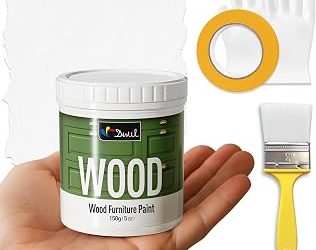
DWIL Matte Wood Paint for Furniture (32 Oz, Ivory White)
This is my default recommendation for a full-size bedroom dresser: enough volume for two proper coats, a genuinely low-odor water-based formula, and a flat ivory that reads warm rather than clinical under lamplight. The included tools mean fewer variables if this is your first refinishing project.
DWIL Acrylic Wood Paint for Furniture (32 Oz, Grey Blue)
The semi-gloss acrylic version trades some light absorption for a harder, more wipeable surface, which suits dressers that double as changing tables or catch-alls for skincare bottles. The muted grey-blue is a quietly restful colour choice and holds up better than pale neutrals against everyday marks.
Chalk Paint for Furniture with Brush (25.36 fl oz, Pure White)
A generous chalk paint bundled with a proper chalk brush, requiring no sanding or priming — ideal if your dresser is an older varnished piece you’d rather not strip. The ultra-flat finish is the most light-swallowing of the group, though I’d seal high-touch drawer edges once fully cured.
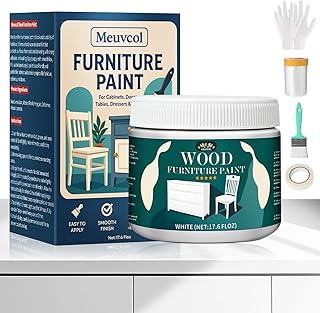
Furniture Paint for Wood & Cabinets (17.6 Oz White Matte)
A sensible middle volume for a compact three-drawer dresser or a pair of nightstands, with the same no-sanding convenience and a low-odor water base. Coverage is good but plan on two thin coats rather than one heavy one, which also shortens overall cure time.
Rust-Oleum Chalked All-in-One Spray (Linen White)
Spray is the fastest route to a streak-free finish on spindles, cane panels and detailed drawer fronts, and this one-coat chalked formula dries quickly with relatively low odor for an aerosol. Use it outdoors or in a garage regardless, and give it a full week away from your bedroom before it comes back in.
Frequently Asked Questions
How long should I wait before sleeping in a room with a freshly painted dresser?
With a low-VOC water-based paint, 48 to 72 hours of good ventilation is usually comfortable. For sprays or anything with a noticeable smell, give it five to seven days and keep a window cracked.
Do I really need to sand an old dresser first?
Most chalk and no-prep furniture paints adhere well after a simple degrease and a light scuff. Full sanding is only necessary for peeling, glossy or heavily waxed surfaces — and it should be done outside the bedroom.
Is matte or semi-gloss better for a bedroom?
Matte for calm and minimal glare; semi-gloss for cleanability. If someone in the room wakes easily to light, matte is the safer choice.
Will painted drawers stick together?
Only if you close them before the paint cures. Leave drawers out for at least 24 hours and avoid painting the sliding edges.
Final Thoughts
For most bedroom dressers, the 32 oz DWIL Matte Wood Paint offers the best balance of coverage, low odor and a light-friendly flat finish, with the DWIL Acrylic Semi-Gloss as the more scrubbable alternative for hard-working pieces. If your dresser has carved detail or spindles, keep the Rust-Oleum Chalked spray on hand for the awkward areas — just give it the extra days to cure before it returns to the room you sleep in.