Key takeaways
- Odor and VOC profile: Prioritize water-based, low-odor formulas. Anything you can still smell at bedtime is likely to fragment light sleep, so treat “low odor” as a functional feature rather than marketing garnish.
- Finish sheen: Matte and ultra-matte finishes scatter light instead of reflecting it, which keeps a bedside dresser from throwing glare from a lamp or window. Glossier finishes belong on kitchen cabinets, not nightstands.
- Prep requirements: No-sanding, no-priming formulas eliminate airborne dust — the single biggest respiratory nuisance in a bedroom refinish. If a paint demands full sanding, plan to work elsewhere.
- Coverage per container: A standard three-drawer dresser typically needs 16 oz or more for two coats. Small 5 oz containers are for accents, drawer fronts, and testing color against your room’s evening light.
- Cure time versus dry time: Dry-to-touch is not the same as cured. Look for fast-drying formulas and still allow a full airing-out window before the piece returns to sleeping quarters.
What's inside
A dresser is the largest piece of furniture most of us keep within arm’s reach of the pillow, and that proximity matters more than people expect. As someone who spends their days helping clients troubleshoot restless nights, I’ve learned that bedroom air quality and sensory calm are not soft variables — they’re part of the sleep environment. The problem is that refinishing a wood dresser traditionally means sanding dust, solvent fumes, and a room you can’t sleep in for days. Buyers get stuck choosing between a piece they love the look of and a bedroom that actually feels breathable at 11 p.m.
This guide approaches dresser paint through that lens: low-odor, water-based formulas that cure quickly, finishes that don’t bounce lamp light into your eyes, and kits that let you finish the job in a weekend rather than a fortnight. Below you’ll find the products worth your money in 2026, a short framework for choosing between them, and answers to the questions that come up most often once the drawers are out and the drop cloth is down.
As an Amazon Associate we earn from qualifying purchases.



How to Choose a Paint For A Wood Dresser (2026)
- Odor and VOC profile: Prioritize water-based, low-odor formulas. Anything you can still smell at bedtime is likely to fragment light sleep, so treat “low odor” as a functional feature rather than marketing garnish.
- Finish sheen: Matte and ultra-matte finishes scatter light instead of reflecting it, which keeps a bedside dresser from throwing glare from a lamp or window. Glossier finishes belong on kitchen cabinets, not nightstands.
- Prep requirements: No-sanding, no-priming formulas eliminate airborne dust — the single biggest respiratory nuisance in a bedroom refinish. If a paint demands full sanding, plan to work elsewhere.
- Coverage per container: A standard three-drawer dresser typically needs 16 oz or more for two coats. Small 5 oz containers are for accents, drawer fronts, and testing color against your room’s evening light.
- Cure time versus dry time: Dry-to-touch is not the same as cured. Look for fast-drying formulas and still allow a full airing-out window before the piece returns to sleeping quarters.
The Best Paint For A Wood Dresser (2026) Reviewed
Furniture Paint 16oz Water-Based One-Step (Aleutian)
This is the most balanced option here: enough volume for a full dresser, a genuinely one-step application, and a muted blue-grey that reads calm rather than cold under warm bedroom lighting. The low-odor formula means you can realistically paint on a Saturday and sleep in the room by Sunday night.
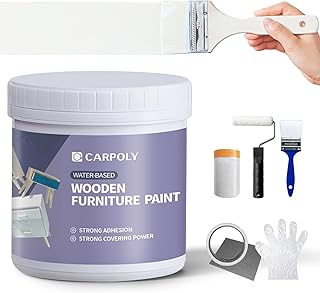
Furniture Paint Kit 16oz with Tools (White)
For a first-time refinisher, the bundled brush and applicator remove the guesswork that leads to lap marks and streaking. The all-in-one, no-sanding formula keeps dust out of your bedding entirely, and white remains the safest choice for a small room where you want the walls to feel further away.
Rust-Oleum Chalked All-in-One Linen White Spray
Spray is the fastest route to an even coat on spindles, carved trim, and drawer edges, and this ultra-matte linen white delivers coverage in a single pass without primer. One caveat from a sleep-hygiene standpoint: aerosolize this outdoors or in a garage, then bring the dry piece back in.
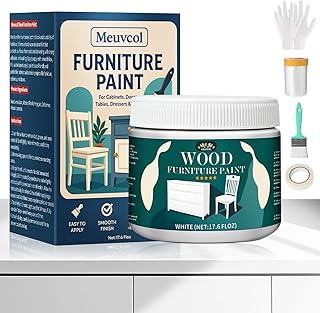
Furniture Paint for Wood & Cabinets 17.6 Oz Matte White
The largest container in this lineup and the one I’d recommend for a tall chest of drawers or a matching dresser-and-nightstand pair. It levels well, resists showing brush direction, and holds up to nightly drawer use without chipping at the pulls.
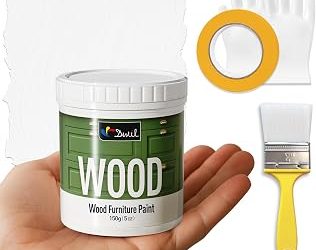
DWIL Matte Finish Furniture Paint 5 Oz White
Best used as a companion rather than a main event — ideal for touch-ups, interior drawer edges, or painting a sample board to see how a shade behaves in your room after dark. Non-toxic and odorless, so it’s the one I’d let someone use in a nursery or a bedroom in active use.
Frequently Asked Questions
How long before a freshly painted dresser is safe in a bedroom?
With a water-based, low-odor paint, most pieces are comfortable to sleep beside after 24 to 48 hours of ventilation. If you can still detect a smell, give it another day — your nose is a reasonable proxy for off-gassing.
Do I really not need to sand?
With modern no-prep formulas, a thorough clean with degreaser and a wipe-down is usually sufficient on sealed wood. Glossy factory lacquer is the exception; a light scuff there improves adhesion considerably.
Should I choose a dark or light color for a bedroom dresser?
Both work, but darker matte tones absorb ambient light and can make a room feel visually quieter at night. Lighter shades suit small or windowless rooms where you need daytime brightness.
Does painted furniture need a topcoat?
For a dresser that sees moderate daily use, most all-in-one matte paints are self-sealing. Add a water-based clear coat only if the top surface will hold drinks, lamps, or skincare bottles.
Final Thoughts
For most bedrooms, the 16oz one-step paint in Aleutian offers the best combination of coverage, low odor, and a restful matte finish, while the 16oz Kit with Tools in white is the smarter buy if you’re starting without brushes or confidence. Keep the DWIL 5 Oz on hand for touch-ups and color testing, ventilate well, and your dresser will look renewed without costing you a week of good sleep.