Key takeaways
- Fence quality above all: A rack-and-pinion fence that locks parallel every time is worth more than an extra half-horsepower. If the fence drifts, every rip becomes a guess and every glue-up becomes sanding.
- Match rip capacity to your material: Roughly 32 inches lets you break down a 4×8 sheet on center. Under 25 inches, plan on a track saw for sheet goods and treat the table saw as a solid-stock machine.
- Stand design is not an afterthought: Rolling and scissor stands change what a saw is. A saw you can wheel out one-handed gets used; a saw you must lift onto sawhorses gets avoided.
- Dust control protects the long game: Fine airborne particulate is the exposure that follows you home. Look for a shrouded blade housing plus a real collection port, not just a chute pointed at the floor.
- Weight is a genuine trade-off: Heavier saws damp vibration and cut cleaner; lighter saws travel. Decide honestly whether the saw lives in one place or rides in a truck bed, then buy for that reality.
What's inside
Most people don’t buy a table saw twice. They buy one cheap, fight it for two years — creeping fences, blades that wander a sixteenth off true, a stand that shudders on the third rip — and then buy the one they should have started with. The frustrating part is that the specs on the box rarely reveal which category a saw falls into. Amp ratings look identical. Rip capacities are within an inch of each other. The differences that actually matter show up on cut two hundred, not cut two.
There’s also a quieter cost worth naming: fatigue. A saw that demands constant babysitting — recalibrating, wrestling stock, straining against underpowered feed — wears you down, and tired hands near a spinning blade are the single biggest variable in shop safety. A well-built saw is a rest-and-recovery tool as much as a cutting one. This guide looks at the brands and models that hold their settings, track straight under load, and let you finish a project without white-knuckling it, with notes on what to prioritize based on the work you actually do.
As an Amazon Associate we earn from qualifying purchases.



How to Choose a Table Saw Brands (2026)
- Fence quality above all: A rack-and-pinion fence that locks parallel every time is worth more than an extra half-horsepower. If the fence drifts, every rip becomes a guess and every glue-up becomes sanding.
- Match rip capacity to your material: Roughly 32 inches lets you break down a 4×8 sheet on center. Under 25 inches, plan on a track saw for sheet goods and treat the table saw as a solid-stock machine.
- Stand design is not an afterthought: Rolling and scissor stands change what a saw is. A saw you can wheel out one-handed gets used; a saw you must lift onto sawhorses gets avoided.
- Dust control protects the long game: Fine airborne particulate is the exposure that follows you home. Look for a shrouded blade housing plus a real collection port, not just a chute pointed at the floor.
- Weight is a genuine trade-off: Heavier saws damp vibration and cut cleaner; lighter saws travel. Decide honestly whether the saw lives in one place or rides in a truck bed, then buy for that reality.
The Best Table Saw Brands (2026)s Reviewed
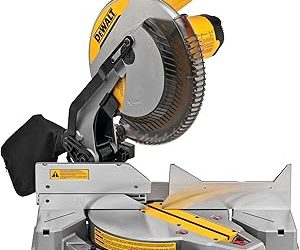
DEWALT DWE7491RS 10-Inch with Rolling Stand
This remains the reference point for portable saws, and the reason is the fence: it moves smoothly, locks square, and stays there through a full day of ripping. The 32-1/2-inch capacity plus a rolling stand that deploys in seconds makes it the rare jobsite saw that’s genuinely pleasant to work on.
DEWALT DWE7485 8-1/4-Inch Compact
The smaller blade means less depth and less capacity, but the payoff is a saw one person can carry up stairs without recruiting help. For trim carpentry, remodels, and small-shop work where floor space is the scarcest resource, the compromise is easy to live with.
SKIL SPT99-11 Worm Drive with Stand
The worm-drive gearing delivers torque differently — it bogs down far less in thick hardwood or wet framing lumber, where direct-drive saws start complaining. It’s heavy and it wants a dedicated spot, but under load it feels closer to a cabinet saw than its price suggests.
DEWALT DWE7491X with Scissor Stand and Dust Collector
Mechanically the same excellent saw as the RS, configured for shops rather than trucks: the scissor stand sets up fast on flat ground and the dust collection is meaningfully better. Choose this version if the saw mostly stays put and you care about breathing clean air.
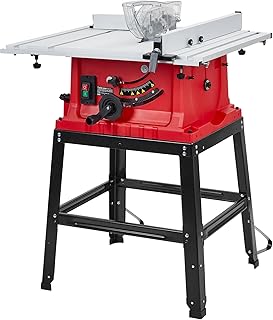
SKIL TS6307-00 15 Amp Portable with Folding Stand
The strongest value play here — a full 10-inch saw with a competent rack-and-pinion fence and an integrated folding stand at a noticeably lower entry point. Fit and finish trail the DEWALTs slightly, but for weekend furniture building the cut quality is entirely respectable.
Frequently Asked Questions
Is a 10-inch saw always better than an 8-1/4-inch?
Not always — it’s better at depth and dado work, but the compact saws win on portability and storage. If you rarely cut stock thicker than two inches, the smaller blade costs you very little.
Do I need a dedicated dust extractor?
A shop vac with a fine filter covers most hobby use. The critical thing is capturing dust at the blade rather than sweeping it up later, since fine particulate stays suspended for hours.
How often should I check alignment?
Verify blade-to-fence parallel after transport, after a blade change, and any time cuts start showing burn marks on one face. It takes five minutes and prevents kickback.
Are aftermarket blades worth buying immediately?
Yes. A quality 40-tooth combination blade transforms cut quality on any saw in this class and is the cheapest upgrade available.
Final Thoughts
For most buyers, the DEWALT DWE7491RS is the saw that ends the search — accurate, well-supported, and easy to move. Shop-bound woodworkers should look hard at the DWE7491X for its superior dust collection, while anyone regularly cutting dense or damp lumber will appreciate the extra grunt of the SKIL SPT99-11.