Key takeaways
- Zipper security: A standard zipper leaves a gap at the stop that a nymph can squeeze through. Look for a micro-tooth zipper paired with an internal flap, Velcro tab, or fold-over closure at the end of the track — this is the failure point in cheap encasements.
- True six-sided coverage: “360°” and “six-sided” mean the bottom panel is fully enclosed, not elasticized. A fitted-sheet-style cover with an open underside offers essentially zero bed bug protection.
- Fabric weave, not just thread count: You want a tightly woven knit with pores small enough to block dust mite allergens (which also stops bed bugs and their eggs). Ripstop-style or reinforced knits resist the abrasion of box spring corners.
- Depth and dimensions: Measure your box spring’s height — low-profile units run 5–9″, standard units 9″. An encasement stretched past its rated depth puts tension on the seams, which is where tears begin.
- Waterproofing trade-off: A polyurethane backing protects against spills and makes the cover easier to wipe down, but adds warmth. Since the box spring sits below the mattress, waterproofing here matters far less than on the mattress itself — prioritize seam strength instead.
What's inside
Bed bugs don’t just live in mattresses. Roughly half of an infestation typically sets up shop in the box spring, where the fabric-covered wooden frame offers dozens of dark seams, staple holes, and corner pockets that no spray reliably reaches. Homeowners often treat the mattress, sleep soundly for a week, and then wake up to fresh bites — because the population underneath was never sealed off. A box spring is also nearly impossible to launder, inspect, or steam thoroughly, which makes it the single most under-treated surface in the bedroom.
An encasement solves this by turning the box spring into a closed system: anything inside starves and dies, and nothing new can get in to breed. This guide looks at the encasements worth buying in 2026, judged on the criteria that actually matter for insect exclusion — zipper engineering, fabric pore structure, seam construction, and long-term durability under a heavy mattress. I’ve also flagged where a waterproof membrane helps and where it just makes your bed hotter.
As an Amazon Associate we earn from qualifying purchases.




🛒 Best Price Today on Amazon
Prime members get fast, free shipping on everything above, plus member-only deals. New members get a 30-day free trial — cancel anytime.
How to Choose a Box Spring Encasement For Bed Bugs (2026)
- Zipper security: A standard zipper leaves a gap at the stop that a nymph can squeeze through. Look for a micro-tooth zipper paired with an internal flap, Velcro tab, or fold-over closure at the end of the track — this is the failure point in cheap encasements.
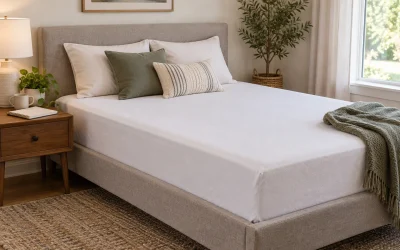
- True six-sided coverage: “360°” and “six-sided” mean the bottom panel is fully enclosed, not elasticized. A fitted-sheet-style cover with an open underside offers essentially zero bed bug protection.
- Fabric weave, not just thread count: You want a tightly woven knit with pores small enough to block dust mite allergens (which also stops bed bugs and their eggs). Ripstop-style or reinforced knits resist the abrasion of box spring corners.
- Depth and dimensions: Measure your box spring’s height — low-profile units run 5–9″, standard units 9″. An encasement stretched past its rated depth puts tension on the seams, which is where tears begin.
- Waterproofing trade-off: A polyurethane backing protects against spills and makes the cover easier to wipe down, but adds warmth. Since the box spring sits below the mattress, waterproofing here matters far less than on the mattress itself — prioritize seam strength instead.
The Best Box Spring Encasements For Bed Bugs (2026) Reviewed
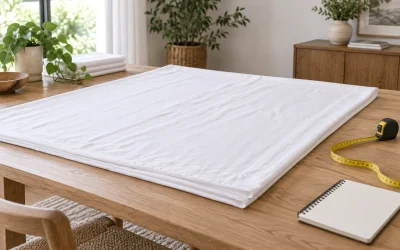
Hospitology Products Box Spring Encasement (Queen)
Hospitology’s Sleep Defense System has become a default recommendation in pest-management circles for good reason: the zipper assembly is genuinely well-designed, and the knit fabric holds up to repeated removal without pulling at the corners. A strong all-around choice if you want protection without the crinkle of a heavy laminate.
SureGuard Box Spring Encasement (Queen)
SureGuard builds its encasements around a sealed zipper flap and reinforced six-sided seams, and the construction quality is visibly a step above budget options. The fully waterproof membrane is a bonus for households with kids or pets, though it’s the seam integrity that earns this a top spot.
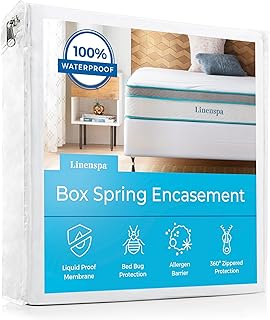
Linenspa Zippered Waterproof Box Spring Encasement
The best value pick here, and a sensible option if you’re encasing several beds at once during an active infestation. Coverage is genuinely full-perimeter; the fabric is thinner than SureGuard’s, so treat it as a solid two-to-three-year solution rather than a lifetime one.
SureGuard Box Spring Encasement (Full)
Identical construction to the queen, sized for full-size box springs — worth calling out separately because full sizing is where cheap encasements most often fit poorly. Snug, low-stretch fit means less sagging fabric to snag on the frame.
Hospitology Products Mattress Encasement (Queen)
Encasing the box spring alone leaves half the problem unaddressed, so pair it with this 12″-depth mattress version. The stretchable knit accommodates most standard mattresses without straining the zipper track.
Frequently Asked Questions
How long do I need to leave the encasement on?
At least 12 months, and ideally permanently. Bed bugs can survive months without feeding, and eggs may hatch weeks after sealing — removing the cover early defeats the purpose entirely.
Will an encasement kill the bed bugs already inside?
Yes, by starvation and containment rather than on contact. Trapped insects can’t reach a host, and the sealed fabric prevents any survivors from spreading to the rest of the room.
Do I need to encase the mattress too?
Absolutely. Treating one and not the other simply relocates the population. Encase the mattress, the box spring, and any pillows in the affected room simultaneously.
Can I wash a box spring encasement?
Most are machine washable on warm with a low-heat tumble dry. Avoid high heat, which can delaminate waterproof backings and warp zipper teeth — the two components you most need intact.
Final Thoughts
For most bedrooms, the SureGuard Box Spring Encasement is the one I’d buy first — its zipper closure and seam construction are the closest thing to a genuinely sealed system at this price. The Hospitology Sleep Defense System is an equally strong pick if breathability matters more to you than waterproofing, and the Linenspa is the pragmatic choice when you need to encase multiple beds at once. Whichever you choose, pair it with a matching mattress encasement and leave both sealed for a full year.