Key takeaways
- Measure depth before width: Hallways forgive height far more easily than depth. A slim 9–10″ flip-drawer unit keeps a corridor walkable, while a 12–14″ cabinet with swing doors needs clearance for the door arc plus a person standing in front of it.
- Match capacity to your real household: Count the shoes actually in circulation, then add four pairs for seasonal overflow. Two adults typically need 12–20 pairs of accessible storage; families with kids should look at the 30-pair class.
- Insist on adjustable shelves: Fixed tiers are the single biggest cause of wasted space. Removable or repositionable shelves let you create one tall bay for boots and heels while keeping flats double-stacked below.
- Prioritise ventilation: Sealed cabinets trap moisture and odor. Perforated backs, ventilation holes, or slatted doors let shoes dry out — worth it for anyone storing gym trainers or wet winter boots.
- Think about the top surface: A cabinet around 45–48″ tall doubles as a landing zone for keys, wallet, and phone. Designating that spot supports a genuinely useful habit: charging devices at the door rather than beside the bed.
What's inside
As someone who spends most days talking to people about their sleep, I’ve learned that rest doesn’t begin in the bedroom — it begins at the front door. The first thirty seconds of coming home set the nervous system’s tone for the rest of the evening, and for a surprising number of households, those thirty seconds are spent stepping over a pile of sneakers, boots, and school shoes. That low-grade friction is small, but it repeats daily, and it quietly teaches your brain that home is a place where things are unresolved.
A well-chosen entryway shoe cabinet fixes that in one move: shoes go behind a door, the floor stays clear, and the walk from doorway to sofa becomes a wind-down rather than an obstacle course. Below, I’ve evaluated six freestanding cabinets on the things that actually matter over years of use — capacity per square foot of floor, shelf adjustability for tall boots, ventilation (odor is a genuine air-quality issue in a closed box), footprint depth in narrow hallways, and how the piece looks under warm evening light rather than showroom fluorescents.
As an Amazon Associate we earn from qualifying purchases.


How to Choose a Shoe Cabinet For Entryway (2026)
- Measure depth before width: Hallways forgive height far more easily than depth. A slim 9–10″ flip-drawer unit keeps a corridor walkable, while a 12–14″ cabinet with swing doors needs clearance for the door arc plus a person standing in front of it.
- Match capacity to your real household: Count the shoes actually in circulation, then add four pairs for seasonal overflow. Two adults typically need 12–20 pairs of accessible storage; families with kids should look at the 30-pair class.
- Insist on adjustable shelves: Fixed tiers are the single biggest cause of wasted space. Removable or repositionable shelves let you create one tall bay for boots and heels while keeping flats double-stacked below.
- Prioritise ventilation: Sealed cabinets trap moisture and odor. Perforated backs, ventilation holes, or slatted doors let shoes dry out — worth it for anyone storing gym trainers or wet winter boots.
- Think about the top surface: A cabinet around 45–48″ tall doubles as a landing zone for keys, wallet, and phone. Designating that spot supports a genuinely useful habit: charging devices at the door rather than beside the bed.
The Best Shoe Cabinets For Entryways (2026) Reviewed
BORNOON Shoe Cabinet with 3 Flip Drawers
At just 9.45″ deep and 47.2″ tall, this is the specialist choice for tight entryways and apartment corridors where a swing door simply won’t work. The three flip-down drawers are best suited to flats, loafers, and low sneakers rather than boots, but nothing else stores this many pairs while intruding so little into walking space.
Large Shoe Cabinet with 3 Doors & Adjustable Shelves (Vintage Brown)
The capacity champion here: a 47″ wide, three-door cabinet with adjustable shelves and built-in ventilation holes, rated for roughly 30–35 pairs. If you have a family entryway and a wall to give it, this consolidates a whole hallway’s worth of clutter into one calm horizontal line.
Vlsrka 3-Door Shoe Storage Cabinet
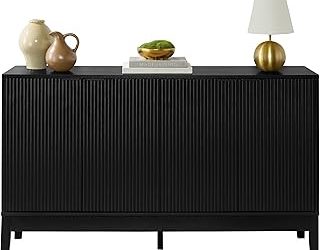
A well-balanced middle option in matte black, holding around 20 pairs across four adjustable tiers. The farmhouse-leaning styling and dark finish hide scuffs and dust better than white laminate, which makes it a sensible pick for high-traffic doors.
Decofy 47.2″ Shoe Cabinet with 4 Flip-Down Drawers
The walnut finish and slim flip-drawer format give this one the most furniture-like presence of the narrow cabinets, with three adjustable levels inside each bay. It’s a strong choice when the shoe cabinet has to look intentional in a living room or open-plan entry rather than hide in a hall.
Homleke Farmhouse Shoe Cabinet with 2 Barn Doors
Raised wood legs make this the easiest unit to clean under — a genuine advantage in an entryway that collects grit and dust. Four tiers with three adjustable shelves handle boots comfortably, and the barn-door detailing suits warmer, more traditional interiors.
Frequently Asked Questions
How tall should an entryway shoe cabinet be?
Around 45–48″ is the sweet spot. It maximises vertical storage while keeping the top surface at a comfortable height for setting down keys, bags, and mail without becoming visually top-heavy in a narrow hall.
Do closed shoe cabinets make shoes smell worse?
They can, if there’s no airflow. Choose a model with ventilation holes or a perforated back, let damp shoes dry for an hour before putting them away, and add a small activated-charcoal or cedar sachet on each shelf.
Will a slim cabinet fit tall boots?
Rarely. Flip-drawer cabinets under 10″ deep are designed for low-profile footwear. If boots are a year-round reality, choose a door-front cabinet with removable shelves so you can create one full-height bay.
Should I anchor a tall shoe cabinet to the wall?
Yes — particularly with narrow, top-heavy units in homes with children or pets. Most include a tip-over restraint strap; fitting it takes five minutes and eliminates a real safety risk.
Final Thoughts
For most entryways, the Vlsrka 3-Door Shoe Cabinet hits the best balance of capacity, adjustability, and low-maintenance finish. Choose the Large 3-Door Cabinet in Vintage Brown if you need 30-plus pairs handled in one piece, or the BORNOON 3-Drawer Cabinet when every inch of hallway depth counts. Whichever you pick, the goal is the same: a doorway you walk through without thinking, so the evening can actually start unwinding.