Back sleepers generally do best with a medium-loft pillow that is soft enough to let the head settle but supportive enough to keep the neck in a neutral line, and adjustable-fill or medium-feel memory foam models are the safest starting point. A pillow that is too tall pushes the chin toward the chest, while one that is too flat lets the head tip back. This guide compares well-known pillow types and named models that makers position for back sleeping, explains the specs that matter, and offers a decision table so you can narrow the field quickly.
Our top picks
 Ultra Pain Relief Cooling Pillow for Neck
- Tired of waking up with neck pain and…
- EXPERIENCE UNINTERRUPTED, BLISSFUL SLEEP WITH OUR VERSATILE PILLOW…
- Unlike 90% of support pillows, Cozyplayer utilizes the…
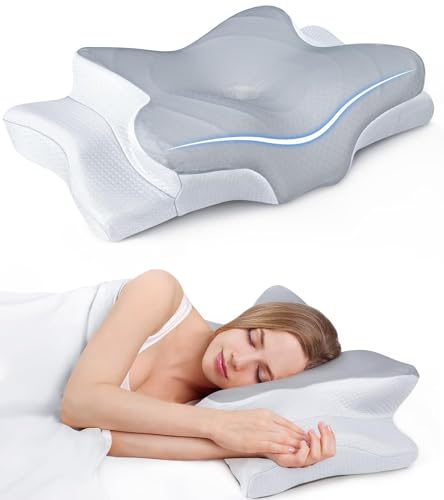 Ultra Pain Relief Cooling Pillow for Neck
- Tired of waking up with neck pain and…
- EXPERIENCE UNINTERRUPTED, BLISSFUL SLEEP WITH OUR VERSATILE PILLOW…
- Unlike 90% of support pillows, Cozyplayer utilizes the…
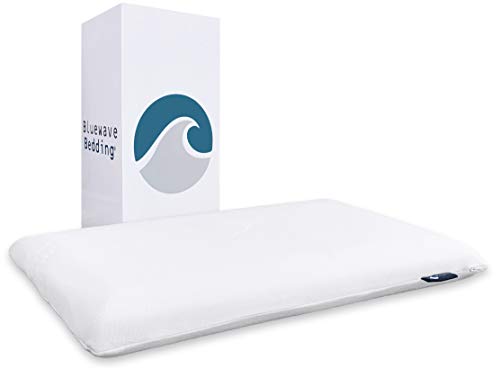 Bluewave Bedding Ultra Slim Gel Memory Foam
- OUR #1 BEST-SELLER
- Not all memory foam is created equal
- Memory foam is notorious for trapping heat, but…
| Product | Key specs | |
|---|---|---|
| Ultra Pain Relief Cooling Pillow for Neck | Tired of waking up with neck pain and… EXPERIENCE UNINTERRUPTED, BLISSFUL SLEEP WITH OUR VERSATILE PILLOW… Unlike 90% of support pillows, Cozyplayer utilizes the… | Check price |
| Ultra Pain Relief Cooling Pillow for Neck | Tired of waking up with neck pain and… EXPERIENCE UNINTERRUPTED, BLISSFUL SLEEP WITH OUR VERSATILE PILLOW… Unlike 90% of support pillows, Cozyplayer utilizes the… | Check price |
| Bluewave Bedding Ultra Slim Gel Memory Foam | OUR #1 BEST-SELLER Not all memory foam is created equal Memory foam is notorious for trapping heat, but… | Check price |
 Sasttie Firm Pillows Queen Size Set of | Superior Comfort: Crafted with premium down-alternative filling, blending… All-the-time Support: Sasttie bed pillows for sleeping are… Hotel-Quality Elegance: These luxury pillows feature an embossed… | Check price |
As an Amazon Associate we earn from qualifying purchases at no extra cost to you.
Pillows for Back Sleepers at a Glance
| Pillow | Best for | Key stated traits | Limits |
|---|---|---|---|
| Coop Home Goods Original Adjustable | Shoppers unsure of their ideal loft | Maker describes shredded memory foam and microfiber fill with a removable insert so loft can be changed | Shredded fill can shift and may need fluffing; some find it warm |
| Tempur-Pedic TEMPUR-Cloud | Those who like a soft-but-supportive memory foam feel | Maker lists a proprietary TEMPUR material that responds to pressure and heat | Foam can feel dense; some report initial odor that fades |
| Tempur-Pedic TEMPUR-Adapt (medium profile) | Back sleepers who want a firmer, more contoured shape | Maker offers several profiles and firmness options | Heavier and firmer than fiber pillows |
| Purple Harmony | Warm sleepers who dislike foam heat | Maker describes a grid-style hyper-elastic polymer layer with a latex-style foam core | Distinct bouncy feel not everyone likes; heavier |
| Saatva Latex Pillow | Shoppers wanting a resilient natural-material pillow | Maker describes shredded latex fill with an organic cotton cover | Latex has a springy feel and should be avoided by anyone with a latex allergy |
| Brooklinen or Parachute-style down pillows (medium fill) | Those who prefer a classic plush feel | Makers list down or down-alternative fills with cotton shells, in several fill levels | Down compresses over the night and needs regular fluffing |
Product lines are refreshed often, so treat the names above as examples of each pillow type and confirm the current version and fill options on the maker’s page before buying.
What Back Sleepers Should Look For
Loft (height)
Loft is the single most important number. Makers commonly describe low, medium and high loft, and many state the finished height in inches. Back sleepers are usually advised by pillow brands and sleep outlets to choose a medium loft, roughly in the mid-range of what a maker offers, because the head already rests on the mattress with the neck supported underneath. Heavier shoulders or a very firm mattress can justify a slightly thicker pillow, while a soft mattress that lets the torso sink generally calls for a thinner one.
Firmness and fill
Firmness describes how much the pillow resists compression. Memory foam tends to hold its shape and cradle the head; latex is springier and returns to shape faster; down and fiber feel plush but compress through the night. Back sleepers who like to feel the pillow rise under the base of the skull often prefer a medium foam or latex model, while those who simply want a soft cushion may be happy with a medium-fill fiber pillow.
Neck contour
Contoured pillows have a raised ridge under the neck and a shallow dip for the head. Makers pitch these to back sleepers, but the shape only helps if the ridge height matches your neck curve. If the ridge feels like it is pushing your head forward, the pillow is too tall for you regardless of price.
Temperature
Traditional memory foam holds heat. Many makers now add gel, open-cell structures, perforations or breathable covers. Latex and grid-style polymer designs are generally described as airier. If you wake warm, favor an open structure and a cotton or similar breathable cover.
Adjustability
Pillows with removable fill let you take out or add material until the loft suits you. This is the most forgiving route if you are between sizes, share a bed with different preferences, or change mattress later. The trade-off is that loose fill needs occasional redistribution.
Size
Standard, queen and king are the usual sizes. Standard is the most common and fits typical pillowcases; queen and king give more width. Back sleepers who stay put rarely need extra width, but a wider pillow helps if you shift position often. Match the pillowcase size to the pillow, because an overly tight case can compress the fill and change the loft.
Materials, Care and Certification Notes
Care instructions differ widely and should be taken from the label. Many shredded-fill pillows and some fiber pillows are listed by makers as machine washable, while solid memory foam is typically spot clean only because water can damage the foam. Down pillows often tolerate gentle machine washing and thorough drying, according to makers, but check the tag. Covers are frequently removable and launderable even when the core is not.
Look for certifications the maker states rather than assuming them. Common ones include CertiPUR-US for foams, OEKO-TEX Standard 100 for textiles, and Responsible Down Standard for down. These labels address material content or sourcing, not comfort or health outcomes. Anyone with allergies should read the fill description carefully, and anyone with persistent neck pain, numbness or headaches should speak with a doctor or physical therapist instead of relying on a pillow change.
Most makers suggest replacing pillows when they no longer return to shape. A simple fold test works: fold the pillow in half and release it. A pillow that stays folded or lumpy has lost its support.
Budget Tiers
- Budget: Basic fiber and shredded-foam pillows from value bedding brands. They can work well for lighter sleepers, but the fill typically flattens sooner and warranties are shorter.
- Mid-range: Adjustable shredded-foam pillows, latex pillows and mid-tier down alternatives. This is where most back sleepers find a good balance of adjustability, materials and trial periods.
- Premium: Branded memory foam such as TEMPUR lines, grid-polymer designs and high-fill-power down. You pay for engineered materials, more shape options and often longer warranties.
Pick X If… Decision Table
| Pick this | If you… |
|---|---|
| Coop Home Goods Original Adjustable | are unsure about loft or share the pillow style with a partner and want to tune the fill |
| TEMPUR-Cloud | want a soft memory foam feel with support and do not mind a denser pillow |
| TEMPUR-Adapt | prefer a firmer, defined contour for the neck |
| Purple Harmony | run warm and want a bouncy, airy structure |
| Saatva Latex Pillow | want resilient natural-material fill and have no latex sensitivity |
| Medium-fill down or down alternative | like a plush feel and are happy to fluff the pillow daily |
Alternatives Worth Considering
- Rolled towel or neck roll supplement: Some back sleepers add a small neck roll beneath a flatter pillow. This is a low-cost way to experiment before committing to a contoured model.
- Cervical contour pillows from orthopedic brands: Brands that specialize in contour shapes offer several heights. They suit those who want pronounced neck support, though the shape can feel restrictive if you move around at night.
- Buckwheat or millet-hull pillows: Firm, adjustable and breathable, with a distinctive rustle and weight. They suit shoppers who want very firm support, but they are not for everyone.
Buying Tips
Prefer retailers and makers that offer a trial period, since a pillow cannot be judged in a minute. Give any new pillow at least a couple of weeks unless it clearly causes discomfort, because the body adjusts gradually. Replace the pillow protector along with the pillow, and wash cases regularly. If you also sleep on your side some nights, an adjustable pillow lets you add fill for side positions and remove it for back sleeping.
Frequently Asked Questions
What loft is best for a back sleeper?
Medium loft is the usual advice from pillow makers and sleep outlets. The goal is for your forehead and chin to be roughly level, without the chin tucking down or the head tipping back. If your pillow brand lists heights, aim for the middle of its range and adjust from there.
Is memory foam or down better for back sleeping?
Neither is universally better. Memory foam keeps its shape and cradles the head, which many back sleepers like, while down feels plush but flattens and needs fluffing. Choose based on whether you value stable support or a soft, moldable feel.
How often should I replace a back sleeper pillow?
Makers commonly suggest every one to three years depending on the material, and sooner if the pillow stays lumpy, flat or stained. Use the fold test: if it does not spring back, it has likely lost support. Latex and quality foam often last longer than fiber fill.
Can a pillow fix neck pain?
A better-fitting pillow may improve comfort, but it is not a treatment. If you have ongoing neck pain, tingling, numbness or frequent headaches, see a doctor or physical therapist. Bring details about your sleep position to the appointment.
Should I use one pillow or two when sleeping on my back?
One is usually enough. Stacking pillows often raises the head too high and flexes the neck forward. A single adjustable pillow that you can tailor is a cleaner solution than layering two.
Are cooling pillows worth it?
They can help if you tend to overheat, though the effect varies by design. Open-cell foam, latex, perforated structures and breathable covers are the features makers cite for airflow. Cooling claims are best treated as a comfort feature rather than a guarantee, and bedroom temperature and bedding matter just as much.