Key takeaways
- Drawers vs. hydraulic lift: Side drawers give you fast, everyday access but need 20–24 inches of clearance beside the bed. A gas-lift platform swallows far more volume — think luggage, spare duvets, off-season coats — but you have to strip the surface clutter before opening it, which makes it better for archival storage than nightly use.
- Weight rating and slat spacing: Look for a stated capacity of at least 1,000 pounds across a king footprint, with slats spaced no more than about three inches apart. Wider gaps let foam and hybrid mattresses sag between supports, which voids many mattress warranties and creates the shoulder-and-hip pressure people mistake for a worn-out mattress.
- Noise engineering: Squeak is the single most common complaint in storage-bed reviews, and it’s usually metal-on-metal contact or slats shifting in their channels. Prioritize frames advertising felt-lined slat pockets, rubber grommets, or wooden joinery, and re-torque every bolt after the first month as the wood settles.
- Height and transfer ease: Storage frames sit taller than standard platforms — often 14 to 18 inches before the mattress. Aim for a total surface height that lets you sit with feet flat and knees at roughly 90 degrees, which matters a great deal for anyone with hip, knee, or mobility limitations.
- Headboard function: An upholstered or tall panel headboard is worth the upgrade if you read or work in bed, since it supports the cervical spine instead of letting your head tip forward against a wall. Integrated USB and outlet panels are convenient, but keep phones charging at hip level rather than beside your pillow.
What's inside
King-size beds are the most generous sleep surface most bedrooms will ever hold — and, ironically, the most wasteful. Beneath that 76-by-80-inch expanse sits roughly 40 square feet of dead air, while the room around it fills up with dressers, blanket baskets, and the seasonal-clothing bin that never quite finds a home. Clutter isn’t just an aesthetic problem, either. From a sleep-wellness standpoint, a visually chaotic bedroom keeps the nervous system mildly alert at exactly the hour it should be winding down, and a room crowded with furniture is harder to keep cool, dark, and dust-free.
A storage bed frame solves two problems in one purchase: it reclaims that hidden square footage and it lets you retire a bulky piece of furniture or two. But storage beds vary enormously in how they open, how much weight they tolerate, and — critically for light sleepers — how quietly they behave at 3 a.m. Below, I’ve assessed six well-reviewed king frames across drawer versus hydraulic lift designs, slat reinforcement, headboard comfort, and long-term durability, followed by a buying framework you can apply to any model you’re considering.
As an Amazon Associate we earn from qualifying purchases.




🛒 Best Price Today on Amazon
Prime members get fast, free shipping on everything above, plus member-only deals. New members get a 30-day free trial — cancel anytime.
How to Choose a King Size Bed Frame With Storage (2026)
- Drawers vs. hydraulic lift: Side drawers give you fast, everyday access but need 20–24 inches of clearance beside the bed. A gas-lift platform swallows far more volume — think luggage, spare duvets, off-season coats — but you have to strip the surface clutter before opening it, which makes it better for archival storage than nightly use.
- Weight rating and slat spacing: Look for a stated capacity of at least 1,000 pounds across a king footprint, with slats spaced no more than about three inches apart. Wider gaps let foam and hybrid mattresses sag between supports, which voids many mattress warranties and creates the shoulder-and-hip pressure people mistake for a worn-out mattress.
- Noise engineering: Squeak is the single most common complaint in storage-bed reviews, and it’s usually metal-on-metal contact or slats shifting in their channels. Prioritize frames advertising felt-lined slat pockets, rubber grommets, or wooden joinery, and re-torque every bolt after the first month as the wood settles.
- Height and transfer ease: Storage frames sit taller than standard platforms — often 14 to 18 inches before the mattress. Aim for a total surface height that lets you sit with feet flat and knees at roughly 90 degrees, which matters a great deal for anyone with hip, knee, or mobility limitations.
- Headboard function: An upholstered or tall panel headboard is worth the upgrade if you read or work in bed, since it supports the cervical spine instead of letting your head tip forward against a wall. Integrated USB and outlet panels are convenient, but keep phones charging at hip level rather than beside your pillow.
The Best King Size Bed Frame With Storage (2026)s Reviewed
HISOFT Lift-Up Storage Bed with Wingback Headboard
The hydraulic gas-lift mechanism and reinforced full-metal slats make this the highest-capacity option here, effectively turning the entire under-bed cavity into one large sealed chest. The linen wingback headboard is genuinely comfortable for propped-up reading, and the enclosed base keeps dust out of stored bedding — a real benefit for allergy-prone sleepers.
OKD King Bed Frame with Headboard and Footboard Storage Bench
A smart hybrid design: two side drawers for daily items plus lift-up compartments built into the footboard bench, so you get layered storage without needing wide side clearance. The light walnut engineered wood reads as organic modern, and the thick panel construction feels appreciably more solid than the price suggests.
DUMOS Upholstered Platform Bed with Storage Drawers
With a 1,323-pound slat rating and closely spaced wood supports, this frame is the safest bet for a heavy hybrid or latex mattress that needs uncompromising, even support. The grey upholstery and padded headboard suit contemporary rooms, and the drawers glide smoothly enough for nightly use.
King Bed Frame with Storage Drawers and Charging Station
The steel platform and integrated USB ports make this the most practical pick for tech-heavy bedrooms or guest rooms where outlets are scarce. Metal frames resist the seasonal creaking that plagues wood, though I’d add a rug beneath the legs if you’re on a hard floor.
LIFEMENT Signature Wood Platform Bed Frame
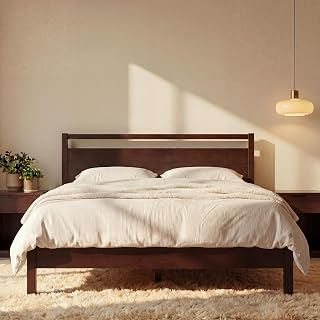
An understated, noise-free walnut frame that leaves the under-bed space open for flat bins and rolling containers rather than committing you to fixed drawers. It’s the most flexible option for renters and anyone likely to reconfigure a room in a year or two.
Frequently Asked Questions
Do I need a box spring with a storage bed frame?
No. Every frame here uses a slat or metal platform system engineered to support a mattress directly, and adding a box spring would raise the surface to an awkward height while blocking the storage mechanism.
Is storing items under the bed bad for air quality?
Only if it’s done poorly. Open under-bed storage collects dust that circulates as you move at night, so use sealed bins or a closed-base lift design, and avoid storing anything with a strong chemical or mildew odor beneath your sleep surface.
How much space does a hydraulic lift bed need around it?
Very little at the sides — that’s the main advantage — but you need clearance at the foot of the bed and enough ceiling height for the mattress to pivot upward, typically two to three feet of swing room.
Will a heavier king mattress damage the drawers over time?
Not if the frame’s load is carried by the slat system rather than the drawer boxes, which is how these models are built. Check that your mattress weight plus occupants stays well within the stated capacity, and inspect bolt tightness twice a year.
Final Thoughts
If maximum capacity is the goal, the HISOFT lift-up platform is the clear winner, converting the entire footprint into usable storage while offering a headboard you’ll actually want to lean against. For daily-access convenience with a warmer, more designed look, the OKD walnut frame’s drawer-plus-footboard-bench combination is hard to beat, and the DUMOS upholstered frame remains the most reassuring choice for anyone pairing storage with a heavy hybrid mattress that demands serious structural support.