Key takeaways
- Profile depth: Aim for 14 inches minimum, and treat 16 inches as the safer target for combined sleeper weight above 500 pounds. Deeper builds allocate more room to the support core rather than stacking comfort foam that bottoms out.
- Support core construction: Individually pocketed coils in a lower gauge (thicker wire) resist deflection far better than all-foam cores at the same price. If you prefer foam, look for high-density polyfoam bases rather than transitional layers doing double duty.
- Zoned reinforcement: Five- and seven-zone systems concentrate firmer coils or denser foam under the lumbar region, where heavier bodies generate the most downward force. This is the single most effective defense against the mid-mattress dip.
- Edge integrity: Reinforced perimeter coils or high-density foam rails determine whether you can sit on the side of the bed to put on shoes without the corner collapsing. Weak edges also shrink your usable sleep surface considerably.
- Heat management and certification: Greater body mass means more heat to dissipate, so prioritize copper or graphene infusions, gel, and breathable covers. Confirm CertiPUR-US foam certification and fiberglass-free construction, plus a trial window long enough to reveal early sagging.
What's inside
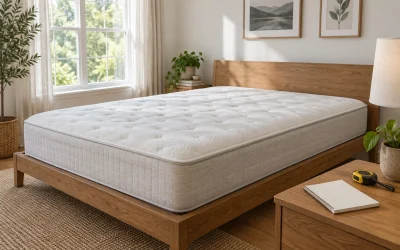
Weight matters more to mattress performance than almost any other factor, yet it’s the one most product pages quietly ignore. A bed rated “medium firm” for a 150-pound sleeper behaves like a hammock under 300 pounds, and the difference shows up as lumbar sag, dead-feeling edges, and a coil layer that gave up somewhere around month eight. Add a second heavier sleeper and a king-size footprint, and the engineering demands multiply: the mattress now has to resist compression across a wider span while still isolating motion between two people who each displace serious mass.
This guide looks at king mattresses through that specific lens. Rather than ranking beds on plushness or brand recognition, I’ve weighted the picks toward structural durability — coil gauge and count, foam density, reinforced perimeters, and honest support-core depth. Below you’ll find the models worth shortlisting in 2026, a buying framework built around load-bearing capacity, and answers to the questions heavier shoppers ask me most often.
As an Amazon Associate we earn from qualifying purchases.


🛒 Best Price Today on Amazon
Prime members get fast, free shipping on everything above, plus member-only deals. New members get a 30-day free trial — cancel anytime.
How to Choose a King Size Mattress For Heavy Person (2026)
- Profile depth: Aim for 14 inches minimum, and treat 16 inches as the safer target for combined sleeper weight above 500 pounds. Deeper builds allocate more room to the support core rather than stacking comfort foam that bottoms out.
- Support core construction: Individually pocketed coils in a lower gauge (thicker wire) resist deflection far better than all-foam cores at the same price. If you prefer foam, look for high-density polyfoam bases rather than transitional layers doing double duty.
- Zoned reinforcement: Five- and seven-zone systems concentrate firmer coils or denser foam under the lumbar region, where heavier bodies generate the most downward force. This is the single most effective defense against the mid-mattress dip.
- Edge integrity: Reinforced perimeter coils or high-density foam rails determine whether you can sit on the side of the bed to put on shoes without the corner collapsing. Weak edges also shrink your usable sleep surface considerably.
- Heat management and certification: Greater body mass means more heat to dissipate, so prioritize copper or graphene infusions, gel, and breathable covers. Confirm CertiPUR-US foam certification and fiberglass-free construction, plus a trial window long enough to reveal early sagging.
The Best King Size Mattress For Heavy Person (2026)s Reviewed
BedStory 14 Inch Hybrid King
The zoned lumbar section is the standout here — firmer pocketed springs sit precisely where heavier sleepers sink first, which keeps the spine closer to neutral through the night. A 10-year warranty on a hybrid at this price point signals reasonable confidence in the coil unit.
Luxury Hotel 16 Inch Hybrid King
At 16 inches with reinforced edge support and seven-zone construction, this is the most structurally serious option on the list for couples with a high combined load. The 365-night trial matters more than it sounds: sagging in a heavy-use bed typically declares itself between months four and eight, well past most 100-night windows.
Extra Firm 14 Inch Cooling Hybrid
Genuinely extra firm rather than firm-adjacent, which is what many heavier back and stomach sleepers actually need to avoid lumbar collapse. The cooling hybrid design and fiberglass-free build make it an easy recommendation for anyone who runs hot and reads labels carefully.
EGOHOME 14 Inch Memory Foam King
The best all-foam pick for heavier sleepers who want pressure relief without the resonance of springs — copper gel and the graphene cover offset memory foam’s usual heat retention. Expect excellent motion isolation, though foam cores generally show wear earlier than coils under sustained heavy load.
Sweetnight CoolNest 14 Inch King
A medium-feel foam mattress with five-zone ergonomic support, suited to side sleepers in the moderate range who find extra-firm hybrids punishing at the shoulder and hip. Breathability is the real strength; treat the medium feel as its limit rather than its selling point if you’re at the upper end of the weight spectrum.
Frequently Asked Questions
What firmness level should a heavier person choose?
Medium firm to extra firm, depending on sleep position. Heavier bodies compress any surface further than lighter ones, so a mattress that measures firm on a standardized scale will feel roughly a level softer to you. Side sleepers can stay at medium firm; back and stomach sleepers should go firmer.
Is a hybrid always better than memory foam?
For sustained heavy load, usually yes. Pocketed coils push back indefinitely, while foam relies on cell structure that gradually fatigues. High-density foam beds like the EGOHOME still perform well — they simply demand closer attention to foam density specs and warranty sag thresholds.
How much does the foundation matter?
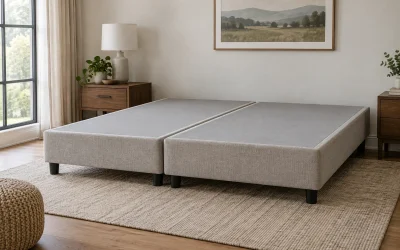
Enormously. A king slat base with gaps wider than three inches will let even a well-built mattress deform between slats, and warranty claims are routinely denied for inadequate support. Use a center-supported frame with closely spaced slats or a solid platform.
How long should this mattress last?
Plan on five to seven years for a well-specified hybrid under heavier use, versus the eight to ten often quoted for average loads. Rotating head-to-foot every three months meaningfully extends that timeline by redistributing compression.
Final Thoughts
If you want the most durable structure available here, the Luxury Hotel 16 Inch Hybrid earns the top spot on depth, zoning, and edge reinforcement alone. The BedStory 14 Inch Hybrid is the smarter value for single sleepers or moderate combined weight, and the Extra Firm 14 Inch Hybrid is the pick for anyone whose main complaint is lower-back pain from a bed that already sags.