Key takeaways
- Judge the open bed, not the closed sofa: Lie on the pull-out for a full five minutes before deciding. You’re checking for a continuous plane with no dip at the seat seam and no support bar telegraphing through under the sacrum — the two most common causes of a rough night on convertible furniture.
- Measure the swing space: A 108″ or 114″ frame needs roughly 30 to 36 inches of open floor in front of it once extended, plus a clear path to a light switch. Guests who have to navigate obstacles at night sleep more lightly, because the brain stays partly on alert in unfamiliar rooms.
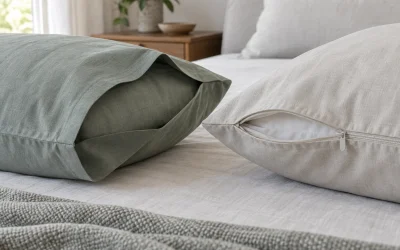
- Match fabric to sleep temperature: Core body temperature has to fall about one degree for sleep to consolidate. Dense chenille feels luxurious but insulates; ribbed corduroy and looser weaves shed heat more readily. Hot sleepers should pair either with breathable cotton or linen bedding rather than microfiber.
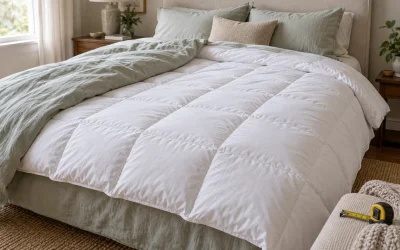
- Use storage to keep bedding close: Under-seat compartments earn their keep when they hold the pillows, topper, and duvet for that specific bed. Bedding stored in the sofa gets aired and used; bedding stored in a hall closet gets forgotten.
- Prioritize removable covers and modular pieces: Washable covers matter more on a piece people sleep on, and modules that reconfigure let you shift the chaise to whichever wall keeps the open bed away from streetlight glare or a drafty window.
What's inside
Most people shop for a sleeper sectional the way they shop for a rug: they picture the room, not the night. Then a guest folds out the bed, and the next morning brings the report you never wanted — a stiff neck, a hip that woke them at 3 a.m., and a polite fib about sleeping “great.” A convertible sectional is one of the few objects in a home asked to serve two entirely different physiological states, and seated comfort is a poor predictor of sleeping comfort. Cushions that feel generous during a movie can leave the lumbar spine unsupported across seven or eight unbroken hours.
This guide starts from the sleep side. I’ve weighted the variables that actually determine whether someone wakes up restored — usable mattress depth, support beneath the hips and shoulders, how the upholstery handles body heat, and whether the open surface stays flat and gap-free — then layered in the daytime realities of storage, layout flexibility, and cleaning. Below are the sleeper sofa sectionals worth your attention in 2026, plus a short framework for matching one to your room and your guests.
As an Amazon Associate we earn from qualifying purchases.


🛒 Best Price Today on Amazon
Prime members get fast, free shipping on everything above, plus member-only deals. New members get a 30-day free trial — cancel anytime.
How to Choose a Sleeper Sofa Sectional (2026)
- Judge the open bed, not the closed sofa: Lie on the pull-out for a full five minutes before deciding. You’re checking for a continuous plane with no dip at the seat seam and no support bar telegraphing through under the sacrum — the two most common causes of a rough night on convertible furniture.
- Measure the swing space: A 108″ or 114″ frame needs roughly 30 to 36 inches of open floor in front of it once extended, plus a clear path to a light switch. Guests who have to navigate obstacles at night sleep more lightly, because the brain stays partly on alert in unfamiliar rooms.
- Match fabric to sleep temperature: Core body temperature has to fall about one degree for sleep to consolidate. Dense chenille feels luxurious but insulates; ribbed corduroy and looser weaves shed heat more readily. Hot sleepers should pair either with breathable cotton or linen bedding rather than microfiber.
- Use storage to keep bedding close: Under-seat compartments earn their keep when they hold the pillows, topper, and duvet for that specific bed. Bedding stored in the sofa gets aired and used; bedding stored in a hall closet gets forgotten.
- Prioritize removable covers and modular pieces: Washable covers matter more on a piece people sleep on, and modules that reconfigure let you shift the chaise to whichever wall keeps the open bed away from streetlight glare or a drafty window.
The Best Sleeper Sofa Sectionals (2026) Reviewed
85″ Modular Chenille Sleeper Sectional, Beige
The most sensible option for apartments and narrow living rooms, this five-seat L-shape opens into a genuine sleeping surface without dominating the floor plan. The chenille runs warm, so I’d pair it with a percale sheet set and skip heavy quilts.
108″ L-Shaped Corduroy Modular Sleeper Sofa
Corduroy is quietly the better sleep fabric here — the ribbed pile moves air rather than trapping it, which helps overheating guests settle. Seven seats, hidden storage, and removable covers make it the most practical pick for households that host often.
HONBAY 114″ U-Shaped Modular Sleeper Sectional, Dark Grey
The largest footprint in this roundup and the most forgiving sleep surface, thanks to a storage chaise that extends the usable length for taller sleepers. Reserve it for rooms of about 13 feet or wider, where the U-shape can breathe.
108″ U-Shaped Chenille Sleeper with USB Charging
The reclining backrests and integrated USB ports make this the strongest guest-suite substitute, letting visitors charge a phone without hunting for an outlet at midnight. Do position charging devices away from the pillow — screen light this close to the sleep surface undercuts melatonin release.
HONBAY 6-Seat U-Shape Sleeper Sectional, Light Grey
A slightly leaner U-shape with the same storage chaise logic, well suited to rooms where a 114-inch frame would crowd the walkways. The light grey shows more, so the washable-cover system is doing real work.
Frequently Asked Questions
Can someone sleep on a sleeper sectional every night?
Occasionally, yes; indefinitely, no. These mattresses are built for intermittent use, and nightly sleepers will typically notice reduced support within several months. Treat them as excellent guest beds and short-term solutions rather than primary ones.
What’s the single fastest comfort upgrade?
A two- to three-inch mattress topper. It bridges seams, absorbs the feel of any support hardware, and redistributes pressure at the shoulders and hips — usually a bigger improvement than anything else you can buy for the money.
Chenille or corduroy for a warm room?
Corduroy. Its open, ribbed structure dissipates body heat better than dense chenille pile, which matters most in upstairs rooms, southern climates, and homes that run the thermostat above 70°F overnight.
Does the storage compartment affect the bed?
Not directly, but overpacking a storage chaise can strain the lid mechanism and make the module harder to reposition. Keep it to bedding and pillows rather than dense household overflow.
Final Thoughts
For most homes, the 108″ corduroy L-shape offers the best balance of breathable fabric, real storage, and washable covers. Choose the HONBAY 114″ U-shape if you have the width and want the roomiest sleep surface available here, or the 85″ chenille modular if square footage is your tightest constraint.