Key takeaways
- Firmness range: Target medium-soft to medium, roughly 4.5–6.5 on the standard ten-point scale. Lighter frames (under about 130 lb) rarely compress a firmer bed enough to relieve shoulder pressure, while sleepers over about 230 lb usually need the upper end of that range plus a robust coil unit to avoid bottoming out.
- Comfort layer depth: Look for at least three inches of memory foam, gel foam, or latex above the support core. That depth is what lets the shoulder sink an inch or two while the waist stays put — thin quilting over hard coils cannot do it, whatever the label says.
- Zoned support: Firmer coils or foam beneath the lumbar and pelvis, with softer gauge at the shoulders, keeps the spine straight when viewed from behind. Zoning matters more for side sleepers than for any other position.
- Heat management: Deeper contouring means more skin in contact with the mattress, which traps warmth. Pocketed coils move air through the core; gel, copper, or graphene infusions and a breathable knit cover handle the surface.
- Trial length and safety credentials: Your body needs two to four weeks to adapt to a new pressure profile, so a 365-night trial is worth more than a showroom test. Confirm CertiPUR-US foams and an explicitly fiberglass-free build before ordering.
What's inside
Side sleeping is the position most adults settle into, and it is also the least forgiving of a mattress that gets the details wrong. Your shoulder and hip carry the bulk of your body weight through a small contact area, so a surface that pushes back too hard creates hot spots, a dead arm at 3 a.m., and that familiar rotation onto the other side. Go too soft, though, and the pelvis drops below the ribcage, bowing the lumbar spine sideways through the night — a common cause of morning stiffness that people usually blame on their pillow.
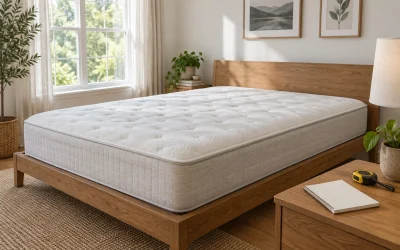
What side sleepers actually need is a bed that yields at the shoulder and hip while holding the waist and lower back level: cushioned on top, genuinely supportive underneath. This guide covers the specifications that predict that behaviour, then reviews the boxed hybrids and foam beds worth shortlisting in 2026, with notes on the body types and sleep habits each one suits.
As an Amazon Associate we earn from qualifying purchases.


🛒 Best Price Today on Amazon
Prime members get fast, free shipping on everything above, plus member-only deals. New members get a 30-day free trial — cancel anytime.
How to Choose a Type of Mattress for Side Sleepers (2026)
- Firmness range: Target medium-soft to medium, roughly 4.5–6.5 on the standard ten-point scale. Lighter frames (under about 130 lb) rarely compress a firmer bed enough to relieve shoulder pressure, while sleepers over about 230 lb usually need the upper end of that range plus a robust coil unit to avoid bottoming out.
- Comfort layer depth: Look for at least three inches of memory foam, gel foam, or latex above the support core. That depth is what lets the shoulder sink an inch or two while the waist stays put — thin quilting over hard coils cannot do it, whatever the label says.
- Zoned support: Firmer coils or foam beneath the lumbar and pelvis, with softer gauge at the shoulders, keeps the spine straight when viewed from behind. Zoning matters more for side sleepers than for any other position.
- Heat management: Deeper contouring means more skin in contact with the mattress, which traps warmth. Pocketed coils move air through the core; gel, copper, or graphene infusions and a breathable knit cover handle the surface.
- Trial length and safety credentials: Your body needs two to four weeks to adapt to a new pressure profile, so a 365-night trial is worth more than a showroom test. Confirm CertiPUR-US foams and an explicitly fiberglass-free build before ordering.
The Best Types of Mattress for Side Sleepers (2026), Reviewed
Soft Plush 14-Inch Hybrid Queen
Built specifically around side-sleeping mechanics, this one pairs a deep gel memory foam comfort layer with pocketed springs, so the shoulder disappears into the surface while the coils hold the midsection steady. It is the pick for dedicated side sleepers and lighter builds who find most “medium” beds unyielding at the shoulder.
Medium Firm 14-Inch Zoned Lumbar Hybrid
The zoned lumbar section is the standout feature here: firmer support directly under the hips and lower back, with more give where the shoulder lands. A sensible default for combination sleepers who start on their side and drift onto their back, and for couples who cannot agree on plush versus supportive.
Sleepmax 14-Inch Hybrid
Sleepmax leans on coil airflow and a cooling cover to offset the heat that deep contouring generates, which makes it a strong option for warm sleepers and anyone in a hot climate. Pressure relief at the shoulder is solid without the sunken feeling some all-foam beds produce.
EGOHOME 14-Inch Copper Gel Memory Foam
The all-foam alternative: copper-infused gel and a graphene-cool cover manage temperature, while the foam core absorbs movement almost entirely — a genuine advantage if a partner or pet wakes you. Medium firm in feel, so it suits side sleepers who also spend part of the night on their back.
12-Inch Cooling Hybrid, Full Size
A well-judged option for smaller bedrooms, guest rooms, and teenagers, combining gel memory foam with pocket coils for motion isolation in a slimmer profile. At medium firm it works best for side sleepers of average build rather than heavier frames.
Frequently Asked Questions
What firmness is right for a side sleeper?
Most side sleepers do best between medium-soft and medium. The test is simple: lie on your side and have someone photograph you from behind. Your spine should form a straight horizontal line, with no dip at the waist and no arch upward at the hips.
Hybrid or all-foam — which is better?
Hybrids give you deep cushioning plus responsive coil support and better edge stability, which suits heavier sleepers and anyone who changes position often. All-foam beds like the EGOHOME contour more closely and isolate motion better, making them the quieter choice for couples.
Can a side sleeper use a firm mattress?
Only with the right topper or the right body type. A firm bed such as the BedStory Firm 13-Inch Hybrid, with its zoned lumbar support, is a better fit for back-dominant sleepers managing lower back pain than for someone who spends the whole night on one shoulder.
How long until I know if it works?
Give it three to four weeks. Foam softens slightly with use and your body needs time to unlearn compensations from an old mattress. Persistent shoulder pain past the first month is a genuine mismatch — use the trial period.
Final Thoughts
For committed side sleepers, the Soft Plush 14-Inch Hybrid delivers the shoulder relief this position demands, while the Medium Firm 14-Inch Zoned Lumbar Hybrid is the safer all-rounder for anyone who shifts between side and back through the night. If motion transfer or overheating is your main complaint, the EGOHOME copper gel memory foam bed answers both — and with a year-long trial behind each of them, the real test happens in your own bedroom.