Key takeaways
- The real decision here is not which device gets hotter. It is whether you want to treat one sore spot for 20 minutes while you read, or whether you want to raise your whole body temperature, sweat, and come out…
What's inside
The real decision here is not which device gets hotter. It is whether you want to treat one sore spot for 20 minutes while you read, or whether you want to raise your whole body temperature, sweat, and come out feeling like you just left a sauna. Those are two different experiences with two very different price tags, footprints, and cleanup routines. A heating pad is a $12 to $50 appliance that lives in a drawer and targets a stiff lower back, a cramping calf, or a sore neck. An infrared sauna blanket is a $70 to $500 full-body sleeping-bag-style wrap that heats you from the inside out, takes up a closet shelf, and requires a towel, a shower, and a wipe-down after every session. Both use electricity to deliver heat, and both can ease the tightness that follows a hard workout. Which one belongs in your home depends on how much space you have, how many people will use it, and whether you are chasing a targeted fix or a whole-body ritual.
Quick Verdict
Buy a heating pad if your soreness is localized, if you want something you can use at your desk or in bed with zero preparation, or if you are on a budget. Buy an infrared sauna blanket if you train hard several times a week, want full-body relaxation and a sweat, and have 20 to 45 minutes plus a shower to spare. For most households, the heating pad is the practical default and the sauna blanket is the upgrade you add once you know you will use it three or more times a week.
As an Amazon Associate we earn from qualifying purchases at no extra cost to you. Product prices and availability are accurate as of the date shown and are subject to change.



Side by Side
| Factor | Infrared Sauna Blanket | Heating Pad |
|---|---|---|
| Comfort | Full-body enveloping heat, 100°F to 175°F depending on setting; sweaty and intense | Focused surface warmth, roughly 105°F to 160°F; gentle enough to fall asleep with (on models with auto shut-off) |
| Durability | 3 to 6 years; PU or PVC liner can crack at the fold lines, zippers and cords are common failure points | 3 to 8 years; heating wires can break if folded sharply, controllers occasionally fail |
| Price range | $65 to $500; entry models near $67, premium low-EMF units near $400 | $12 to $60; basic 12-by-24-inch pads around $12, plush machine-washable models around $40 |
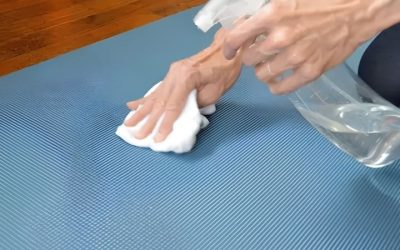
| Maintenance | Wipe interior after every use, air out fully, occasional disinfectant spray; towel or sauna sheet required | Remove and machine-wash the cover every few weeks; wipe the pad itself |
| Space needed | Unfolded about 71 by 32 inches on a bed or floor; folds to roughly 24 by 16 by 6 inches | 12 by 24 inches in use; folds flat into a drawer |
| Look | Vinyl or PU sleeping bag, usually black or gray; not something you leave out | Microplush or fleece rectangle in home colors; blends in on a couch |
| Power draw | Typically 400 to 600 watts; roughly 0.2 to 0.4 kWh per 40-minute session | Typically 50 to 100 watts; roughly 0.05 kWh per 30-minute session |
| Session time | 30 to 45 minutes plus 10 to 15 minutes of preheating and a shower afterward | 15 to 30 minutes, no preparation or cleanup |
| Resale | Fair; premium brands hold 40 to 60 percent of value if the liner is intact | Essentially none; treated as a consumable |
| Best for | Athletes, full-body stiffness, people who enjoy a sauna ritual and have private space | Localized aches, desk workers, menstrual cramps, anyone who wants heat with no fuss |
Where Infrared Sauna Blanket Wins
A sauna blanket heats you everywhere at once. After a long run or a heavy lifting session, soreness is rarely confined to one spot; quads, glutes, lower back, and shoulders all complain together, and a single 12-by-24-inch pad can only address one of them. The blanket wraps from shoulders to feet, and infrared elements warm tissue more deeply than a surface pad, so the heat feels like it reaches the muscle rather than just the skin. The sweating is a feature for many users: a 40-minute session at a mid to high setting leaves you soaked, which many people find deeply relaxing and a useful signal to hydrate and wind down. Premium units add features a pad cannot match. The Lifepro RejuvaWrap Infrared Sauna Blanket, for example, offers nine temperature levels and low-EMF construction and sells for around $399.99, while a basic Sauna Blanket for Relaxation and Detox full-body heating wrap comes in near $67.15 for people who want to try the format before committing. The blanket also doubles as a pre-sleep relaxation tool and a warm-up on cold mornings, so it earns its space beyond recovery.
Where Heating Pad for Muscle Recovery Wins
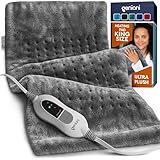
A heating pad wins on nearly every practical measure. It costs a fraction of the price, plugs in and warms up in two to three minutes, and can be used while you sit at a desk, lie on the couch, or drift off in bed. It is quiet, draws about as much power as a light bulb, and needs no towel, no shower, and no wipe-down. For a tight lower back or a knotted shoulder, direct contact heat on the exact spot is often more useful than diffuse warmth everywhere. Models like the GENIANI Electric Heating Pad, a 12-by-24-inch microplush pad with auto shut-off and a machine-washable cover, run around $39.56, and a no-frills Heating Pad in the same 24-by-12-inch size sells for roughly $11.99. Because pads are cheap, households can keep two or three so that multiple people, or multiple sore spots, can be treated at once. They are also far more forgiving for older adults or anyone who should not spend 40 minutes raising their core temperature, since surface heat on one limb is a much smaller physiological load than a full-body sauna session.
Cost Over 5 Years
Assume a household uses its device four times a week. A heating pad costing $12 to $40 draws roughly 0.05 kWh per session; at about 16 cents per kWh that is under $2 a year in electricity, or about $10 over five years. Pads do wear out, so budget for one replacement in that period. Total five-year cost lands between $30 and $90. An infrared sauna blanket costing $67 to $400 draws roughly 0.3 kWh per session, or about $10 a year in electricity, $50 over five years. Add a sauna towel insert or extra towels, $20 to $60, a bottle of liner-safe disinfectant each year, and possibly one liner or controller repair out of warranty at $40 to $100. Total five-year cost runs from about $150 for a budget blanket to $550 or more for a premium unit. In 2026 the gap between the two categories is roughly five to ten times, so the sauna blanket has to deliver an experience you genuinely use to justify it.
Which One for Your Home
Small apartment
The heating pad. It disappears into a drawer, makes no mess, and can be used on a sofa or in bed. A sauna blanket needs a full-length surface to lie on, a place to air-dry after each session so the liner does not mildew, and a shower right afterward, which is awkward in a studio where the bathroom doubles as your only private space. If you are set on a blanket, choose one that folds to under 24 inches and plan to store it in a closet, not under the bed where moisture lingers.
Family with kids or pets
Heating pad, and pick one with auto shut-off and a washable cover. A pad can be shared, cleaned, and replaced cheaply, and it is safe for older children under supervision. A sauna blanket is an adult-only device; its surface reaches temperatures that can burn a child or pet who climbs on it, and the vinyl liner is hard to keep hygienic if it is shared. If one adult in the house trains seriously, a blanket can still work, but it should be stored zipped and unplugged where kids cannot reach it.
Rental
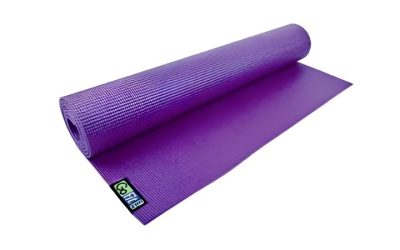
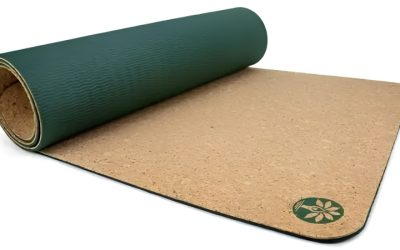
Either works, since neither requires installation, but the heating pad is the lower-risk choice. A sauna blanket’s sweat and occasional condensation can stain a rented mattress or carpet if you skip the towel, and the 400- to 600-watt draw on an older apartment circuit is worth checking before you buy. If you go with a blanket, use it on a yoga mat or a waterproof sheet over the floor rather than the bed.
Long-term home
This is where the sauna blanket earns its keep. With a spare room, a dedicated shelf for storage, and a shower nearby, the 45-minute ritual becomes sustainable. Buy a mid to premium unit with multiple temperature levels and a replaceable liner, keep a heating pad in the nightstand for the days you only need to warm a stiff neck, and you have both bases covered for under $500 combined.
FAQ
Is infrared heat actually different from a regular heating pad?
Both warm you, but they do it differently. A heating pad conducts heat through direct contact, so the skin and the top layer of muscle warm first and the effect is local. Infrared elements radiate energy that penetrates a bit further and warms the body more evenly over a large area, which is why a sauna blanket produces whole-body sweating at a lower air temperature than a traditional sauna.
How long should a recovery session last?
Heating pads are typically used for 15 to 30 minutes at a time, and most have a 60- or 90-minute auto shut-off as a safety cap. Sauna blankets are usually used for 30 to 45 minutes, starting at a low setting for the first few sessions and never exceeding manufacturer limits. Drink water before and after either one.
Can I fall asleep with either device on?
With a heating pad that has auto shut-off, many people do, though most makers advise against it. Never fall asleep in a sauna blanket; the combination of sustained core temperature increase and fluid loss makes it unsafe without being awake to monitor how you feel.
Which is easier to clean?
The heating pad by a wide margin. Its cover unzips and goes in the washer. A sauna blanket must be wiped inside with a damp cloth or disinfectant spray after every use and left open to dry for several hours, and many users wear long sleeves and pants or use a towel insert to reduce contact with the liner.