Key takeaways
- Hot water or high-heat drying. This is the number one cause of a cover that leaks after a few months.
- Bleach on white covers. It weakens the membrane bond and yellows bamboo and polyester fibers.
- Fabric softener or dryer sheets. They leave a coating that blocks the cooling fabric’s ability to wick moisture.
- Ironing or steaming. Direct heat melts the membrane.
- Folding and storing the cover while damp. Mildew forms within a day or two and is very hard to remove.
- Dry cleaning. The solvents dissolve the polyurethane layer.
A cooling mattress cover is two products in one: a top fabric engineered to move heat and moisture away from you, and, on most models, a thin waterproof membrane underneath. Clean it the wrong way and you damage both. Hot water and a high-heat dryer make the polyurethane membrane brittle and flaky within a few washes, so a $27 protector that should last 3 to 5 years is finished in six months. Bleach and fabric softener clog the cooling fabric’s pores so it stops wicking and starts feeling like plastic. Skipping washes lets sweat and skin oils build up until the cover smells sour. None of this is hard to avoid; it just requires following a different routine than you use for sheets.
What You Need
| Item | Why | Optional? |
|---|---|---|
| Washing machine with a large or bulky cycle | A Queen cover is about 60 x 80 inches plus a 14 to 21 inch skirt; a small top-loader with an agitator can tear the membrane | No |
| Mild liquid detergent, free of bleach and brighteners | Harsh detergents degrade the TPU membrane and coat the cooling fibers | No |
| Dryer with a true low or air-dry setting | Membrane tolerates roughly 130 degrees or less; medium and high settings exceed that | No, unless line drying |
| Drying rack or clothesline | Safest drying method for the membrane | Helpful |
| Enzyme-based stain remover | Breaks down protein stains like sweat and urine without bleach | Helpful |
| White vinegar | Neutralizes odor in the rinse cycle without harming fabric or membrane | Helpful |
| Soft cloth and cool water | For spot cleaning between full washes | Helpful |
| Mesh laundry bag, extra large | Keeps the elastic skirt from snagging in the drum | Yes |
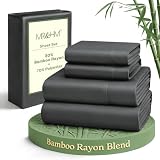
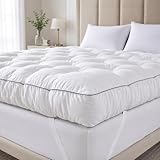
Before the first wash, read the care tag. Most cooling covers, including 3D air fabric designs like the Cooling Waterproof Mattress Protector Queen at $26.99 and bamboo viscose tops like the Bamboo Viscose Waterproof Mattress Protector at $19.99, are labeled machine wash warm or cold, tumble dry low. If your tag says anything stricter, follow the tag.
As an Amazon Associate we earn from qualifying purchases at no extra cost to you. Product prices and availability are accurate as of the date shown and are subject to change.


Step-by-Step
1. Strip the bed and inspect the cover (5 minutes)
Pull the cover off the mattress and lay it top-side up on the floor. Look for stains, thinning fabric, and any spots where the underside feels sticky or is peeling; a peeling membrane means the cover is near the end of its life and should be washed gently or replaced. Shake it outside to remove dust and hair.
2. Pre-treat stains (10 minutes plus 15 minutes dwell)
Dab an enzyme stain remover on sweat rings, drool marks, or any accident spots. Let it sit for 15 minutes. Do not scrub; scrubbing pushes the stain into the cooling fabric weave. For older yellow stains, a paste of baking soda and cool water works as a gentler alternative.
3. Load the washer correctly (5 minutes)
Put the cover in by itself or with one or two other light items so it can move freely. Use the bulky or bedding cycle. Turn it inside out if the tag suggests it, which protects the cooling fabric face. If your machine has an agitator post, use a mesh bag or take the cover to a front-loader.
4. Wash cold or warm with mild detergent (45 to 60 minutes)
Select cold or warm, never hot. Add about half the normal dose of a mild liquid detergent. Skip bleach, oxygen brighteners, and fabric softener entirely. Add half a cup of white vinegar to the rinse compartment if the cover has an odor; it neutralizes smell and rinses clean.
5. Dry on low or air dry (60 to 120 minutes)
Tumble dry on the lowest heat setting with a couple of dryer balls to keep the cover from balling up. Check every 20 minutes; remove it while still slightly damp and finish on the bed or a rack. Never use medium or high heat. Line drying takes 2 to 4 hours and is the safest option.
6. Check the membrane before reinstalling (5 minutes)
Once dry, run your hand across the underside. It should feel smooth and slightly rubbery with no flaking or tacky spots. Then stretch the cover back over the mattress, tugging the skirt fully under each corner so the elastic holds evenly.
Total active time is about 30 minutes, with roughly 2 to 3 hours of wash and dry time.
Mistakes to Avoid
- Hot water or high-heat drying. This is the number one cause of a cover that leaks after a few months.
- Bleach on white covers. It weakens the membrane bond and yellows bamboo and polyester fibers.
- Fabric softener or dryer sheets. They leave a coating that blocks the cooling fabric’s ability to wick moisture.
- Ironing or steaming. Direct heat melts the membrane.
- Folding and storing the cover while damp. Mildew forms within a day or two and is very hard to remove.
- Dry cleaning. The solvents dissolve the polyurethane layer.
How Often
Wash the cover every 4 to 8 weeks under normal use, or every 2 to 3 weeks if you sweat heavily, sleep with pets, or share the bed with a child. Wash immediately after any spill, even if the surface looks clean, because liquid sits on the membrane underneath. Spot clean small marks between washes with a damp cloth and a drop of mild detergent, and vacuum the top surface monthly with an upholstery attachment.
When to Call a Pro or Replace
There is no professional service worth paying for on a $20 to $40 cover; cleaning would cost more than a replacement. Replace the cover when the underside flakes, feels tacky, or cracks, when a spill soaks through to the mattress, or when the elastic skirt no longer holds the corners. A cover washed correctly every month should reach 3 to 5 years. If one bought in 2026 fails in its first year, the cause is almost always heat in the wash or dryer rather than a defect.
FAQ
Can I wash a cooling mattress cover in hot water to kill germs?
No. Hot water damages the waterproof membrane. Warm water with detergent removes bacteria and oils effectively; if you want extra sanitizing, add white vinegar to the rinse or dry the cover in direct sunlight.
Does washing reduce the cooling effect?
Not when done correctly. Cooling fabrics work by structure and fiber type, and washing restores them by removing oils. What ruins the effect is fabric softener, dryer sheets, and heat, all of which coat or shrink the fibers.
How do I dry a mattress cover if I do not have a dryer with a low setting?
Hang it over a shower rod, drying rack, or clothesline. Turn it once after an hour so both sides dry. Expect 2 to 4 hours indoors and less in the sun.
Can I put the cover back on the mattress while it is slightly damp?
Only if the room is dry and you leave the bed unmade for a few hours. Fully damp fabric against a mattress traps moisture and can lead to mildew. It is better to let it finish on a rack.