Key takeaways
- “Water-resistant” instead of “waterproof.” The first soaks through on a large spill.
- Vinyl or PVC backing. It is loud, hot, and cracks within a year.
- No stated pocket depth, or a single number with no range.
- Instructions that allow high-heat drying. A TPU membrane cannot take it, so either the instructions are wrong or the protector is not really waterproof.
- “Cooling” claims with a quilted or fleece top. The padding cancels out any cooling fabric.
- Very low weight, under about 1 pound for a Queen, which usually means a membrane too thin to survive repeated washing.
What's inside
The classic mattress protector mistake is treating waterproof and breathable as opposites and picking a side. Ten years ago that was fair: waterproof meant a crinkly vinyl sheet that made you sweat, and breathable meant a cotton pad that soaked through the first time a glass tipped over. Today most protectors under $40 are both, using a knit or bamboo top laminated to a thin polyurethane membrane that blocks liquid but lets water vapor pass. The real mistakes now are buying the wrong pocket depth, ignoring how the protector is washed, and paying for a “cooling” label that is doing very little. This guide covers what actually separates a protector you forget about from one you throw out in six months.
Decide These 3 Things First
What you are protecting against. Sweat and body oils alone call for any waterproof membrane. Kids, pets, or incontinence call for a membrane plus an absorbent layer so a spill does not pool and run off the side. Dust mite allergies call for a full zippered encasement, which is a different product.
As an Amazon Associate we earn from qualifying purchases at no extra cost to you. Product prices and availability are accurate as of the date shown and are subject to change.


Your mattress depth. Measure from the bottom edge to the top of the pillow layer at a corner. Most mattresses are 10 to 14 inches; pillowtops and thick hybrids run 14 to 18. The pocket must cover that number plus about 2 inches.
How hot you sleep. Every membrane adds some warmth. If you already wake up warm, prioritize a thin membrane with a knit or bamboo viscose top and skip quilted padding.
Waterproof Membrane
The waterproof layer is almost always thermoplastic polyurethane, TPU, applied as a film under the top fabric. It should be rated to block liquid indefinitely, not just resist it; “water-resistant” means a spill has minutes before it soaks through. TPU is quiet and flexible, unlike vinyl. A good membrane is about 0.02 millimeters thick and adds little heat. The trade-off is heat tolerance: TPU degrades in a hot dryer, which is why most protectors specify tumble dry low. Both the SafeRest Waterproof Queen Size Mattress Protector at $39.99 and the Bamboo Viscose Waterproof Mattress Protector at $19.99 use this construction.
Breathability and Top Fabric
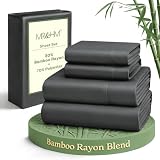
Breathability in a protector means how fast water vapor moves through the top fabric and membrane. Cotton terry is the traditional top: absorbent, quiet, but slightly warm and slow to dry. Bamboo viscose blends feel cooler to the touch and wick moisture faster; the PlushDeluxe Bamboo Waterproof Mattress Protector at $33.99 is an example. Polyester 3D air mesh or spacer fabrics, like the top of the Cooling Waterproof Mattress Protector at $26.99, create a thin air channel between you and the membrane and are the coolest option in this price range. None of these fabrics actively cool; they simply add less heat than a quilted or fleece top would.
Fit and Pocket Depth
Protectors are fitted-sheet style with elastic all around. A protector labeled for a 6 to 14 inch mattress will bag on an 8-inch mattress and pop off a 15-inch one. Look for a stated range that puts your measured depth in the middle. The Bamboo Viscose protector at $19.99 lists a 17-inch pocket; the Cooling protector at $26.99 lists 8 to 21 inches, which covers nearly everything with its stretch skirt. A Queen protector is cut for 60 x 80 inches; do not size up to a King for extra depth, because the excess width bunches under the fitted sheet.
Padding and Noise
Some protectors add 0.25 to 0.5 inch of quilted polyester fill for a softer feel and extra absorbency. That padding helps with heavy spills but also traps heat and takes longer to dry. Unpadded protectors are 1 to 2 millimeters thick and are the better choice for hot sleepers. Noise is a function of the membrane and how it is bonded; a well-made TPU protector is silent under a sheet, while a cheap one crackles when you roll over. Listen for the word “noiseless” in the listing and check that the top is a knit rather than a woven fabric.
Care and Durability
Wash a protector every 1 to 2 months, or immediately after a spill, in warm water on a normal cycle. Tumble dry low or line dry; heat above about 130 degrees breaks down the TPU and causes it to flake or delaminate. Avoid bleach and fabric softener. With that care a protector lasts 2 to 5 years. Signs it is finished: a sticky or peeling underside, a top fabric that stays damp, or a spill that reaches the mattress.
Price Tiers
Budget, $15 to $25. TPU membrane, polyester or bamboo viscose blend top, 14 to 17 inch pocket, 1-year warranty. The Bamboo Viscose protector at $19.99 sits here.
Mid-range, $25 to $45. Thicker knit or 3D mesh tops, wider stretch pockets of 8 to 21 inches, better elastic, and 5 to 10 year warranties. The Cooling protector at $26.99, the PlushDeluxe at $33.99, and the SafeRest at $39.99 are all in this band.
Premium, $45 to $120. Organic cotton or Tencel tops, phase-change or graphite cooling fabrics, lifetime warranties, and sometimes a five-sided design with a full skirt that protects the mattress sides as well as the top.
Spec Checklist
| Spec | Budget | Mid | Premium |
|---|---|---|---|
| Price, Queen | $15 to $25 | $25 to $45 | $45 to $120 |
| Membrane | TPU film | TPU film, thinner and quieter | TPU or breathable laminate |
| Top fabric | Polyester or bamboo viscose blend | Cotton terry, bamboo viscose, 3D air mesh | Organic cotton, Tencel, cooling knits |
| Pocket depth | Fixed 14 to 17 in | Stretch 8 to 21 in | Stretch to 22 in, full skirt |
| Padding | None | None or light quilt | Optional quilted layer |
| Noise | Slight crinkle possible | Silent | Silent |
| Care | Warm wash, low dry | Warm wash, low dry | Warm wash, low dry; some line-dry only |
| Warranty | 1 year | 5 to 10 years | 10 years to lifetime |
Red Flags
- “Water-resistant” instead of “waterproof.” The first soaks through on a large spill.
- Vinyl or PVC backing. It is loud, hot, and cracks within a year.
- No stated pocket depth, or a single number with no range.
- Instructions that allow high-heat drying. A TPU membrane cannot take it, so either the instructions are wrong or the protector is not really waterproof.
- “Cooling” claims with a quilted or fleece top. The padding cancels out any cooling fabric.
- Very low weight, under about 1 pound for a Queen, which usually means a membrane too thin to survive repeated washing.
FAQ
Do waterproof mattress protectors make you hot?
A modern TPU protector with a knit or bamboo top adds a small amount of warmth that most people do not notice under a cotton sheet. Padded protectors and vinyl-backed ones are noticeably warmer.
Can I put a mattress protector in the dryer?
Yes, on low heat only. High heat damages the waterproof layer. Remove it while slightly damp and let it finish air drying on the bed.
Do I need a protector under a mattress topper or on top of it?
On top of the topper, so the protector shields both the topper and the mattress from sweat and spills. Measure the combined depth and buy the pocket size accordingly.
How often should I replace a mattress protector?
Every 2 to 5 years, or sooner if the underside feels sticky or a spill gets through. A protector bought in 2026 and washed monthly on low heat should reach the upper end of that range.