Key takeaways
- Body weight: Sleepers under 130 lbs are comfortable on 8–10 inches; 130–230 lbs suits 10–12 inches; over 230 lbs benefits from 12–14 inches for adequate comfort layer and core.
- Sleep position: Side sleepers need a thicker comfort layer (3+ inches) for shoulder and hip relief; back and stomach sleepers can use a firmer, slightly thinner build.
- Comfort-to-support ratio: Ignore total height in isolation. A quality 10-inch bed with a 3-inch comfort layer beats a 14-inch bed that is mostly cheap base foam.
- Bed frame and accessibility: Add mattress height to your frame or box spring. Total surface much above 25 inches can be hard for shorter users, kids, or seniors to get in and out of.
- Bedding fit: Deep beds over 12 inches often need deep-pocket sheets (15–18 inch pockets). Check your linens before buying a taller mattress.
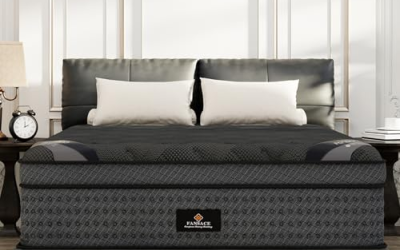
Mattress thickness is one of the most misunderstood specs in the bedroom. Modern beds range from slim 6-inch profiles to towering 14-inch luxury builds, and the right number depends far more on your body weight, sleep position, and bed frame than on price alone. As a rule, a mattress needs at least 2–3 inches of comfort layer over a supportive core, which is why 10 inches is the practical minimum for most adult sleepers in 2026.
Go too thin and heavier sleepers bottom out against the base; go too thick and you may struggle with sheet fit, high-off-the-floor transfers, and needless cost. This guide walks through what each thickness range actually delivers and rounds up representative beds — from an 8-inch apartment mattress to a 12-inch hybrid — so you can match height to your real needs.
Our top picks


As an Amazon Associate we earn from qualifying purchases at no extra cost to you. Ratings are shown as listed on Amazon.
⚡ Save on Your Next PC — Amazon Prime
Prime members get fast free shipping on the systems above, plus early access to Prime Day & Black Friday PC deals. New members get a 30-day free trial.
Watch: Guide to Mattress Thickness: What’s Right for You? — Video Review
How to Choose
- Body weight: Sleepers under 130 lbs are comfortable on 8–10 inches; 130–230 lbs suits 10–12 inches; over 230 lbs benefits from 12–14 inches for adequate comfort layer and core.
- Sleep position: Side sleepers need a thicker comfort layer (3+ inches) for shoulder and hip relief; back and stomach sleepers can use a firmer, slightly thinner build.
- Comfort-to-support ratio: Ignore total height in isolation. A quality 10-inch bed with a 3-inch comfort layer beats a 14-inch bed that is mostly cheap base foam.
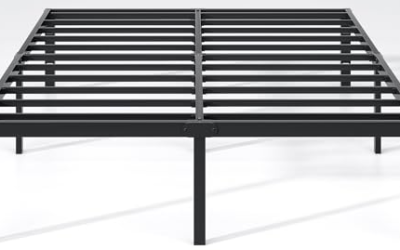
- Bed frame and accessibility: Add mattress height to your frame or box spring. Total surface much above 25 inches can be hard for shorter users, kids, or seniors to get in and out of.
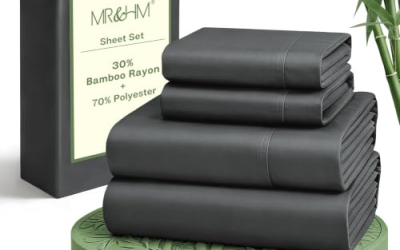
- Bedding fit: Deep beds over 12 inches often need deep-pocket sheets (15–18 inch pockets). Check your linens before buying a taller mattress.
The Best Picks Reviewed
Mattress Full 8 inch Compression Memory Foam (Rental/Apartment, $108.80)
An 8-inch memory-foam bed like this is ideal for guest rooms, apartments, and lighter or younger sleepers under about 130 lbs. At $108.80 it is one of the most economical ways to get real memory-foam comfort, though heavier sleepers will find it too shallow for lasting support.
HKOURI 10 Inch King Size Green Tea Memory Foam, Medium Firm ($144)
Ten inches is the sweet spot for average-weight adults, and this green-tea infused, medium-firm foam bed hits it at just $144 for a king. The extra comfort layer over an 8-inch model makes a noticeable difference for side sleepers who need shoulder relief.
King Size Mattress, 12″ Hybrid Memory Foam in a Box ($289.99)
A 12-inch hybrid is the versatile all-rounder: enough comfort foam for pressure relief plus a coil core for support and airflow. This boxed king at $289.99 suits couples and sleepers in the 150–230 lb range who want balanced feel without going to a full 14-inch luxury height.
HOMBYS 6″ 5-Zone Memory Foam Medical Mattress ($229.99)
Six-inch mattresses have a niche but valid role: medical and clinical use, bunk beds, daybeds, and fall-prevention setups where a low profile is a feature, not a flaw. This FDA-registered 5-zone medical mattress shows how thickness should follow function rather than a bigger-is-better instinct.
SmartBD 10″ Waterproof Medium Plush Hospital-Style Mattress (Queen, $490)
At 10 inches with a waterproof, noiseless cover, this is a purpose-built option for caregiving, RV, and camper setups where cleanability matters as much as loft. It illustrates that once you clear the 10-inch comfort threshold, specialty features often matter more than adding more inches.
Frequently Asked Questions
Is a thicker mattress always more comfortable?
No. Comfort comes from the quality and depth of the top comfort layer, not the total height. A well-built 10-inch bed with a 3-inch comfort layer can out-comfort a 14-inch bed padded out with low-cost base foam. Always look at the layer breakdown, not just the headline number.
What thickness is best for heavier sleepers?
Sleepers over 230 pounds should choose 12–14 inches. That extra height allows for a thicker comfort layer plus a taller, sturdier support core, which together prevent bottoming out and resist body impressions far longer than a thin bed.
Will a 14-inch mattress fit my existing sheets?
Maybe not. Beds 13 inches and taller usually require deep-pocket fitted sheets rated for 15–18 inch mattresses. Standard sheets can pop off a deep bed overnight, so budget for new linens if you size up.
Does mattress thickness affect how long it lasts?
Indirectly. Thicker beds tend to use more and higher-density materials in the support core, which correlates with a longer usable life. But a thick bed made of cheap foam can still sag within a couple of years, so density and construction matter more than height alone.
Final Thoughts
The right thickness is the one that matches your body and sleep style, not the tallest one on the page. Lighter sleepers and guest rooms do fine at 8–10 inches, average adults are best served by a 10–12 inch hybrid, and heavier sleepers should climb to 12–14 inches for durable support. Before you buy, read the layer breakdown, confirm your frame height, and check your sheets — those three checks prevent almost every thickness-related regret.